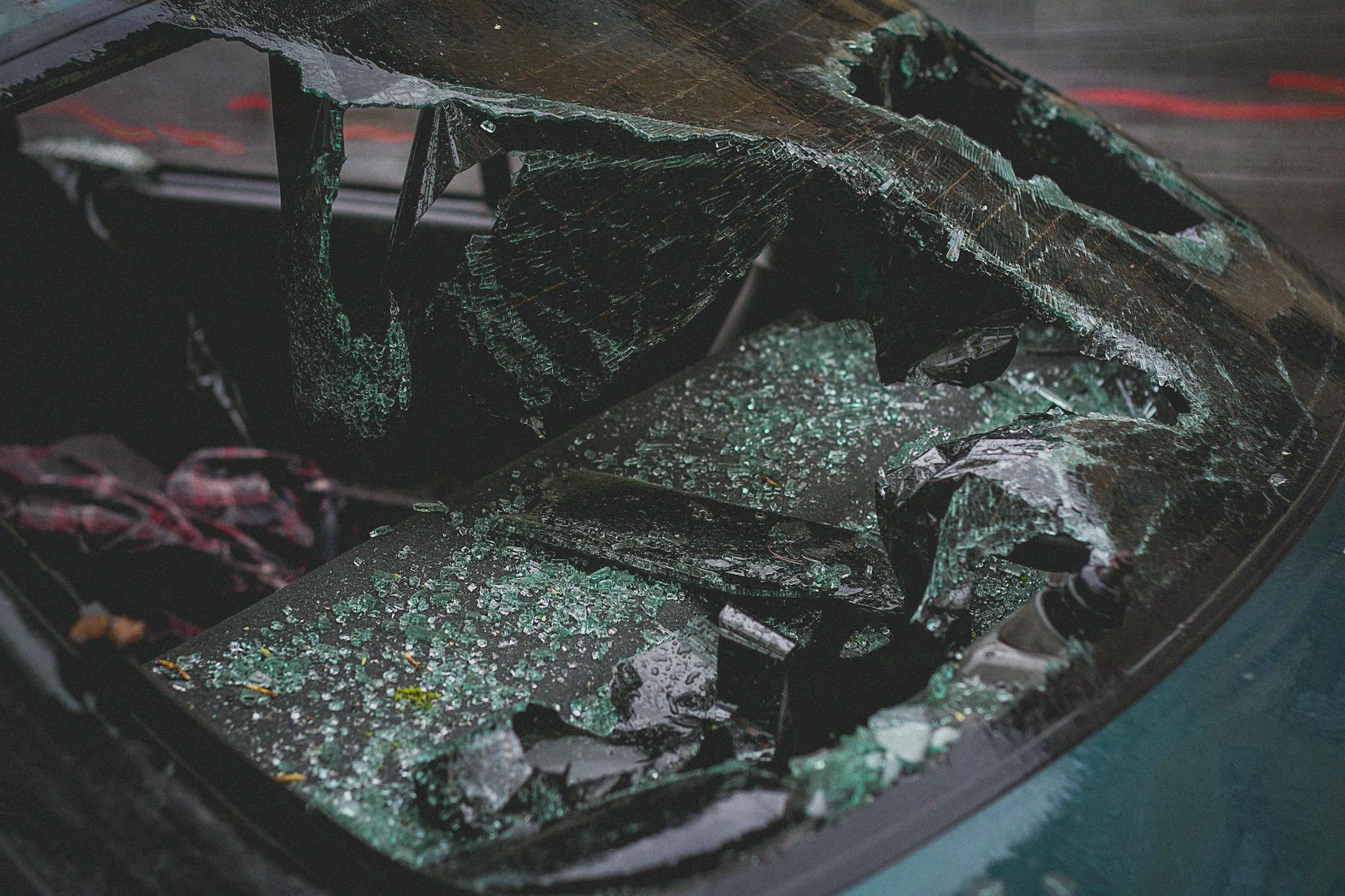
What Is Collision Coverage?
Collision insurance is an optional auto coverage that pays to repair or replace your vehicle when it is damaged in a collision, regardless of who is at fault. Your insurer pays up to your car’s actual cash value (ACV) minus your deductible. Unlike liability coverage, which protects others, collision protects your own vehicle.
Actual cash value is what your car is worth immediately before the accident — not what you paid for it or what you still owe on a loan. ACV factors in depreciation, mileage, condition, and local market comparables. If your car is worth $15,000 and you have a $500 deductible, the most your collision coverage will pay is $14,500. If you owe $18,000 on the loan, you are responsible for the $3,500 gap unless you carry gap insurance.
What Collision Coverage Covers
Collision covers damage to your car from hitting another vehicle, hitting a stationary object like a pole, tree, guardrail, or building, single-vehicle rollover accidents, and pothole damage to wheels, tires, and suspension. It also covers your vehicle in hit-and-run incidents where the at-fault driver fled.
Coverage applies whether you caused the accident or not. If the other driver is at fault, your insurer pays you and then pursues reimbursement from the other driver’s insurer through a process called subrogation. If subrogation is successful, you get your deductible back. In 2026, the average collision repair bill runs between $4,500 and $5,800 depending on the vehicle. However, repairs involving ADAS sensors (lane departure, automatic braking cameras) on newer vehicles can push costs above $10,000 for what appears to be minor fender damage.
Modern vehicles are significantly more expensive to repair than older models. A cracked bumper that once cost $800 to fix can now cost $3,000 or more if it houses radar sensors, parking cameras, or wiring harnesses. This trend has driven collision premiums higher across the industry and makes the coverage more valuable than ever for newer vehicles.
What Collision Coverage Does Not Cover
Collision does not cover mechanical breakdowns, normal wear and tear, or engine failure. It does not pay for damage to the other driver’s car (that is liability coverage) or your medical bills (covered by MedPay or PIP). Weather-related damage like hail, floods, and hurricanes falls under comprehensive coverage, as do theft, vandalism, fire, and animal strikes like hitting a deer.
A common point of confusion: hitting an animal is comprehensive, not collision. If you swerve to avoid a deer and hit a tree instead, the tree impact is a collision claim. If you hit the deer directly, it is a comprehensive claim. This distinction matters because comprehensive claims typically do not raise your rate, while at-fault collision claims often do — by an average of 20% to 40% for three to five years.
Who Needs Collision Coverage?
If you have an auto loan or lease, your lender almost certainly requires collision coverage as a condition of financing. Lessors typically cap deductibles at $500 to $1,000 and may require liability limits well above state minimums.
Collision is also recommended for owners of newer or high-value vehicles and drivers who cannot afford to replace their car out of pocket. A common guideline is the 10% rule: if your annual collision and comprehensive premiums exceed 10% of your car’s current market value, consider dropping the coverage. For example, if your car is worth $6,000 and you pay $900 per year in premiums, that is 15% — it may be time to drop collision.
Another useful test: could you absorb the loss if your car were totaled tomorrow? If the answer is no, keep collision coverage regardless of the car’s age. If you depend on a vehicle for work and have no backup transportation, the coverage is especially important.
How Much Does Collision Coverage Cost?
The average cost of collision coverage is approximately $995 per year ($83 per month) with a $500 deductible, according to 2026 data. The NAIC national average is $463 per year, though this figure includes drivers with higher deductibles.
Your deductible significantly affects the premium. Here is how typical deductibles compare:
- $250 deductible: Highest premium — best if you want minimal out-of-pocket after a claim
- $500 deductible: Most popular choice — saves about $200/year over $250
- $1,000 deductible: Saves an additional 10–20% over $500 — best for experienced drivers with savings
- $2,500 deductible: Lowest premium — only advisable if you have substantial emergency funds
The average collision claim runs in the low-to-mid $5,000 range. When your car is declared a total loss, the insurer pays ACV minus your deductible. Total loss thresholds vary by state — most states use a percentage rule (typically 70% to 80% of ACV), while others like Texas use a total loss formula comparing repair costs plus salvage value to ACV. Knowing your state’s threshold helps you anticipate whether a damaged car will be repaired or totaled.
Is Collision Coverage Required?
No state requires collision insurance — it is always optional under state law. However, lenders and lessors universally require it until the loan or lease is paid off. If you drop collision while still financing, the lender may force-place insurance at a much higher cost — sometimes two to four times what you would pay through your own insurer, with no deductible protection for you.
Once you own your vehicle outright, the decision to carry collision is entirely yours. Review your car’s current Kelley Blue Book value and weigh it against your annual premium plus deductible. If your car is worth less than $4,000, many financial advisors suggest banking the premium savings into an emergency fund instead. But if a $5,000 loss would be financially devastating, keeping collision may be the wiser choice regardless of the car’s age.
Compare Collision Coverage Rates
Collision premiums vary significantly between insurers. Two companies may quote the same driver prices that differ by $300 or more annually. Compare quotes from at least three insurers and consider adjusting your deductible to find the right balance. Browse our company reviews to start comparing.
(paid link)
Sources
- Bankrate — Average Cost of Car Insurance (2026)
- MoneyGeek — Collision Auto Insurance Guide
- Insurance Information Institute — Pothole Damage Coverage