What Is Comprehensive Coverage?
Comprehensive insurance is an optional auto coverage that pays to repair or replace your vehicle when it is damaged or lost due to non-collision events. Sometimes called “other than collision” coverage, comprehensive insurance protects against theft, vandalism, weather damage, animal strikes, falling objects, fire, and natural disasters. If your car is financed or leased, your lender almost certainly requires it.
Think of comprehensive as the coverage for everything collision does not handle: if your car is stolen from a parking lot, shattered by hail, or catches fire in your garage, comprehensive is the coverage that pays.
What Comprehensive Coverage Covers
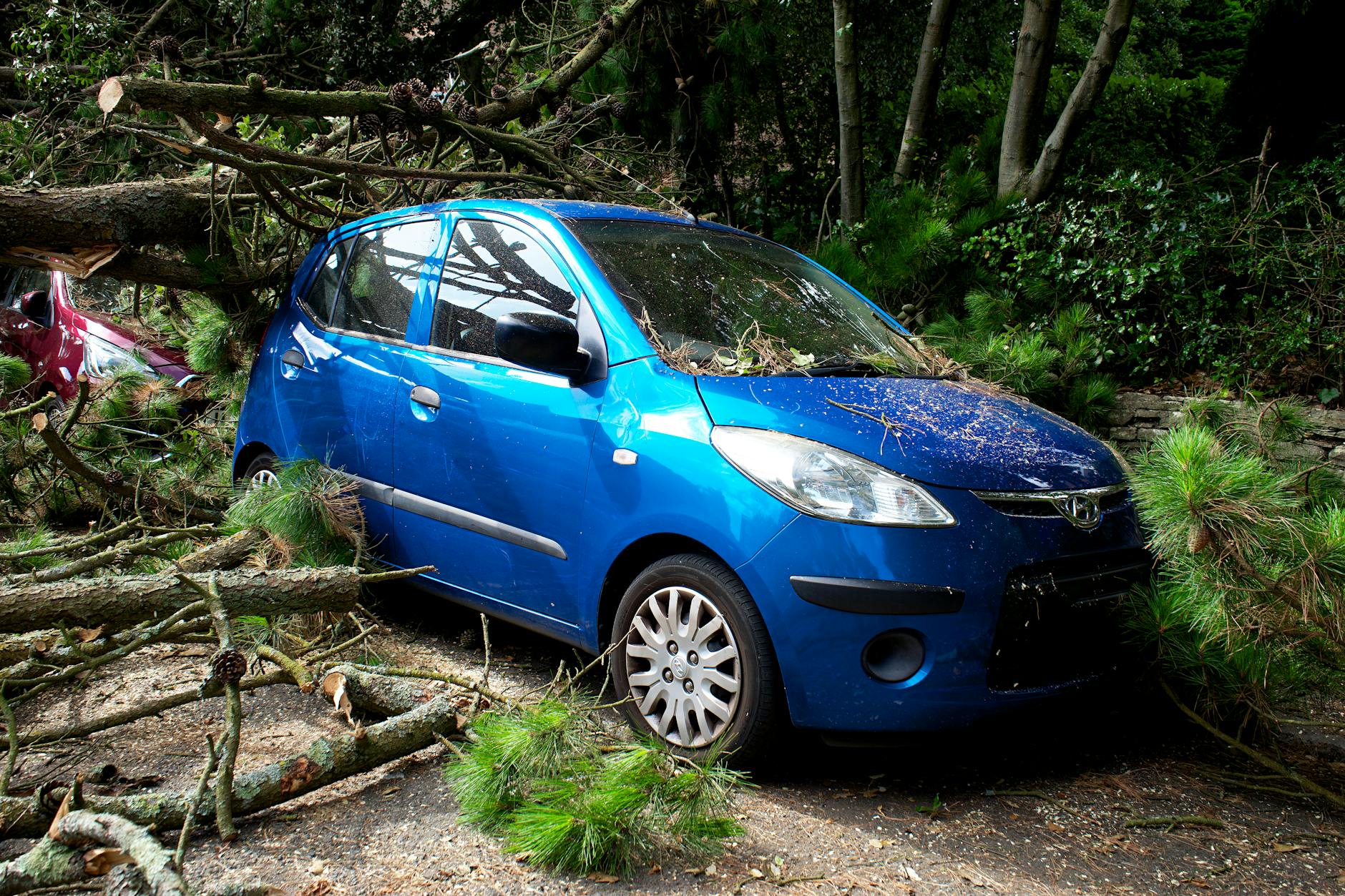
Comprehensive covers a wide range of non-collision damage including theft, vandalism, weather damage from hail, floods, hurricanes, tornadoes, and lightning, animal strikes such as hitting a deer, falling objects like tree branches and debris, fire, glass and windshield damage, explosions, and civil disturbance. Some insurers waive the deductible for glass-only claims — and in Arizona, Florida, Kentucky, and South Carolina, state law requires insurers to offer zero-deductible glass coverage.
Wildlife collisions alone cause over $1 billion in vehicle damage annually in the United States. The average animal-strike claim exceeds $4,000, and insurers process over 2 million such claims each year. West Virginia, Montana, and Pennsylvania have the highest deer-collision rates per driver. Hail damage is the single largest comprehensive claim category, with the average hail claim costing approximately $4,300 in 2025.
Auto theft remains a significant risk. According to the NICB, the most stolen vehicles in 2025 include the Hyundai Elantra, Hyundai Sonata, Kia Optima, and Kia Sportage — driven partly by the viral “Kia Boys” theft method that exploits a missing immobilizer chip. Chevrolet and Ford full-size pickups also rank high due to parts resale value. If you drive a vehicle on the most-stolen list, comprehensive coverage is especially important.
What Comprehensive Coverage Does Not Cover
Comprehensive does not cover collision damage — hitting another car, a guardrail, or rolling your vehicle requires separate collision coverage. It does not cover mechanical breakdowns, normal wear and tear, or engine failure. Personal belongings stolen from inside your car fall under homeowners or renters insurance, not comprehensive. It also does not cover damage to other people’s property or your medical expenses.
Flood damage is covered, but there is an important nuance: if you knowingly drive into floodwaters and your car is destroyed, some insurers may deny the claim for negligence. Standard comprehensive covers flash flooding, storm surge, and rising water that reaches a parked vehicle. Earthquake damage is also covered by comprehensive in most states, unlike homeowners insurance which requires a separate earthquake policy.
Who Needs Comprehensive Coverage?
Anyone with a car loan or lease needs comprehensive coverage — lenders require it as a condition of financing because the vehicle serves as collateral. If you drop it, the lender may force-place insurance at a much higher cost.
Comprehensive is also recommended for owners of newer or higher-value vehicles, drivers in areas prone to severe weather like hail-prone regions in Texas, Colorado, Oklahoma, and the Midwest, areas with high auto theft rates such as major metro areas in California, Washington, and New Mexico, and rural areas with heavy deer populations like West Virginia, Montana, and Pennsylvania.
A useful rule of thumb: if your car is worth less than $3,000 to $4,000, the annual premium plus your deductible may not justify the coverage. But at roughly $35 per month on average, comprehensive is affordable enough that many drivers keep it even on older vehicles — a single hailstorm or theft can easily exceed years of premium payments. Unlike collision, comprehensive claims rarely raise your rate, making it one of the most favorably priced coverages available.
How Much Does Comprehensive Coverage Cost?
The average comprehensive-only premium is approximately $421 per year (about $35 per month). Comprehensive is typically cheaper than collision because non-collision events are statistically less frequent than accidents.
Common deductible options are $100, $250, $500, $1,000, or $2,500, with $500 being the most popular choice. Higher deductibles lower your premium. Most lenders require deductibles no higher than $500 or $1,000. A $1,000 deductible typically saves 15% to 25% compared to a $500 deductible.
A significant advantage of comprehensive claims is that they typically do not raise your rate significantly — about $8 per month on average. In many states, weather and animal-strike claims will not raise your rate at all since you are not at fault. This makes comprehensive one of the most favorably priced coverages relative to the protection it provides.
Your vehicle type, ZIP code, and claims history are the biggest rate drivers. Drivers in hail-prone ZIP codes (Dallas-Fort Worth, Denver, Oklahoma City) or high-theft metros (Bakersfield, Albuquerque, Milwaukee) pay more. Parking in a garage versus on the street can lower your comprehensive premium, and installing an anti-theft device may qualify you for an additional discount of 5% to 15%.
Is Comprehensive Coverage Required?
No state requires comprehensive coverage — state-required minimums only cover liability and sometimes PIP or uninsured motorist coverage. However, lenders and lessors require both comprehensive and collision until the loan or lease is fully paid off. “Full coverage” is an informal industry term that typically means liability plus comprehensive plus collision — the standard package lenders require.
If you own your car outright, comprehensive is optional. Evaluate whether the cost of the premium plus deductible is less than the financial impact of losing your vehicle to theft, weather, or an animal strike. For many drivers, the answer is yes — making comprehensive one of the last coverages you should consider dropping as your car ages.
Compare Comprehensive Coverage Rates
Comprehensive premiums vary by insurer, vehicle type, location, and deductible. If you live in an area with high theft or severe weather, shopping multiple quotes is especially important. Start with our company reviews to compare insurers in your state.
(paid link)
Frequently Asked Questions
How much does comprehensive insurance cost?
Comprehensive insurance typically costs $15 to $45 per month. However, your rate depends on your vehicle’s value, location, and deductible choice. For example, drivers in areas prone to hail storms or theft may pay more.
Is comprehensive insurance required?
Comprehensive insurance is not required by any state. However, lenders and leasing companies almost always require it for financed vehicles. In most cases, you can drop it once you fully own your car and the value has declined enough.
Does comprehensive insurance cover flood damage?
Yes, comprehensive insurance covers flood damage to your vehicle. However, it only pays up to your car’s actual cash value minus your deductible. For example, if your car is worth $15,000 and your deductible is $500, the maximum payout would be $14,500.
What is the difference between comprehensive and collision?
Collision covers damage from crashes with other vehicles or objects. Comprehensive covers everything else, including theft, weather, vandalism, and animal strikes. Typically, lenders require both coverages on financed vehicles.
Does comprehensive insurance cover catalytic converter theft?
Yes, comprehensive insurance covers catalytic converter theft since it falls under the theft and vandalism category. However, you will need to pay your deductible before the insurer covers the replacement cost. For example, replacing a stolen catalytic converter typically costs ,000 to ,000 depending on your vehicle make and model. Typically, hybrid vehicles like the Toyota Prius are targeted most often due to higher precious metal content in their converters.
Sources
- Bankrate — Average Cost of Car Insurance (2026)
- MoneyGeek — Comprehensive Insurance Guide
- Progressive — What Is Comprehensive Car Insurance?
- NICB — Hot Wheels: Most Stolen Vehicles Report