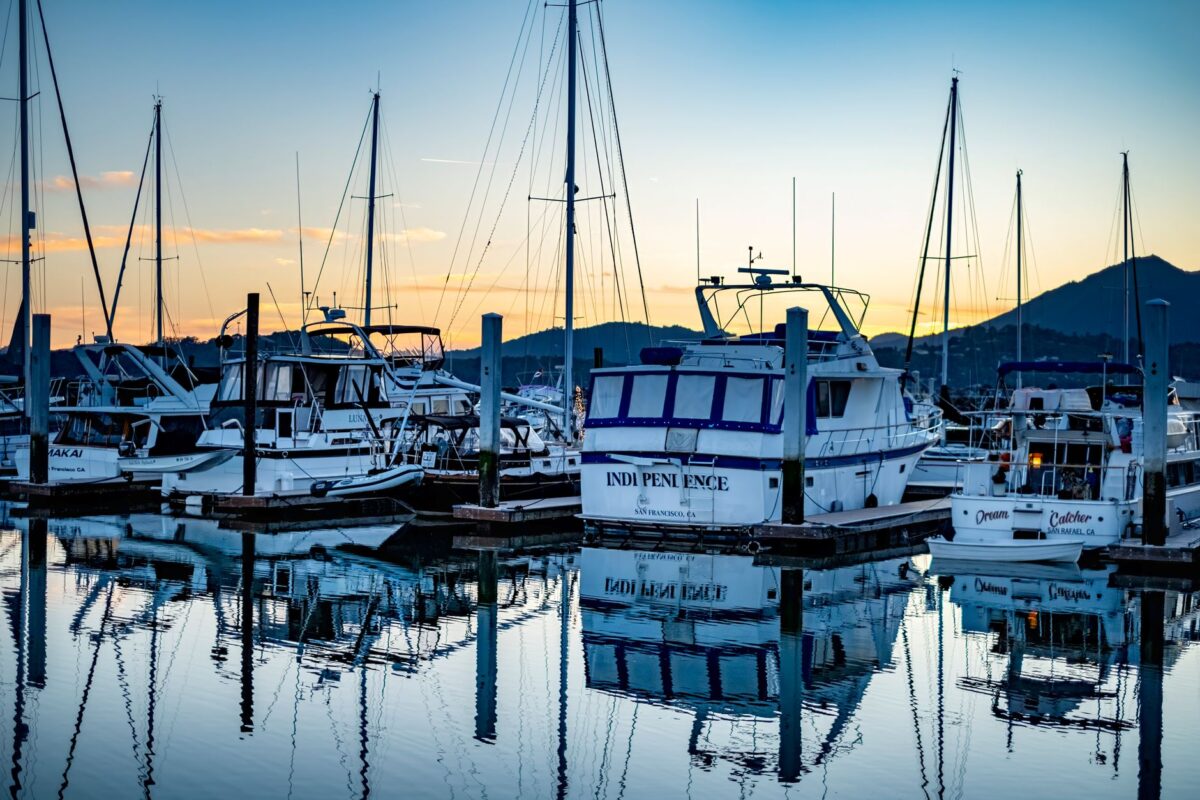
On water towing is the coverage that pays a commercial towing captain to come get your disabled boat and bring it back to a safe dock or ramp. It is not the same thing as your auto policy’s roadside assistance. It is also not the same as marine salvage. Boats do not have shoulders to pull onto. When an outboard dies three miles offshore, someone with a workboat has to run out to you. That captain bills by the hour, and the meter starts when the boat leaves its slip. Marine towers commonly charge $300 to $450 per hour in 2026. A single unplanned tow can easily cost more than a decade of coverage.
What On Water Towing Actually Covers
The core benefit is the tow itself. A dispatcher sends the nearest response boat. The tow captain hooks a bridle to your bow eye and pulls you to the nearest approved haul-out, marina, or your home slip. With on water towing built into a policy or membership, you sign a ticket instead of a credit card slip. Progressive’s Sign & Glide is the clearest example. It includes unlimited tows with no deductible and no out-of-pocket payment at the dock.
However, towing is only part of the package. Most programs also cover fuel delivery when you run dry, though you still pay for the fuel itself. Jump starts are included. So are soft ungroundings, meaning the tower pulls you off a sandbar with a straight pull and no dive gear. Prop disentanglement from crab pot lines and dock lines is usually covered too. For example, BoatUS reports that the majority of its service calls are simple breakdowns, dead batteries, and soft groundings — not dramatic rescues.
Two delivery models exist. One is an insurance endorsement added to your boat policy. GEICO Marine, Progressive, and Allstate all sell versions of this. The other is a standalone membership from a towing network. Sea Tow and TowBoatUS are the two national fleets. Typically, the membership route pays the captain directly. The endorsement route reimburses or bills the carrier. Both get you off the water.
What It Costs in 2026
This is the rare coverage where the math is not close. A capped on water towing endorsement can run as little as $3 per month, roughly $36 a year, depending on boat length and home waters. Freshwater boaters typically pay $100 to $200 annually for an unlimited-style plan. Saltwater boaters pay more, because saltwater tow runs are longer and rougher. Compare that to $300 to $450 per hour billed by the hour for an uncovered tow, plus per-foot charges on some ungroundings.
Membership pricing is public and easy to compare. The Sea Tow Gold Card runs $249 per year for recreational boaters as a flat rate. It includes unlimited towing, fuel delivery, jump starts, and ungroundings with no upgrade tiers. BoatUS runs a tiered structure instead, roughly $25 to $179 per year. The entry tier includes only a modest towing dollar cap. The Unlimited Towing tier is about $175 to $179 and removes the cap.
Several factors move your price. Boat length matters most, because a 42-foot cruiser needs a bigger tow vessel than a 19-foot center console. Saltwater versus freshwater is the second lever. Distance from the nearest tow port matters in thin-coverage regions. As a result, remote Great Lakes and Gulf Coast boaters sometimes pay a surcharge. Some state markets also price differently due to filing rules, so confirm your own figure in the state guide rather than assuming a national average.
Who Needs On Water Towing
Anyone with an engine and a real chance of engine failure needs it. That is a wider group than most boaters admit. Older outboards, single-engine boats, and boats that sit unused for weeks are the highest-risk category. Fuel system problems and dead batteries drive an enormous share of calls. In most cases, a boat with one engine and one battery has zero redundancy. On water towing is the redundancy.
Saltwater and offshore boaters have the strongest case. A breakdown eight miles out in a following sea is a genuinely serious event. Tow times stretch to hours, and hourly billing compounds fast. Cruisers and liveaboards should also carry it, ideally on an unlimited plan. Sailboat owners often assume they can sail home. However, a fouled prop or a dead auxiliary in a crowded inlet with no wind ends that theory quickly.
Some boaters can reasonably skip it. If you run a small tiller-steer jon boat on a 200-acre lake, a friend with a jump box solves most problems. Kayak and paddleboard owners obviously do not need it. Boaters who only run a boat two or three times a year on protected water may find the premium hard to justify. Even then, on water towing at $36 a year is cheap insurance against one bad afternoon.
Common Exclusions and Mistakes
The single biggest surprise is the towing-versus-salvage line. Towing covers low-peril situations: mechanical breakdown, out of fuel, dead battery, soft grounding, prop fouling. Salvage covers high-peril situations: hard groundings, sinkings, fire, collisions, break-aways from moorings, and vessels stranded in the surf line. Salvage is billed on a percentage-of-value basis and can reach five figures fast. Your on water towing benefit does not pay it. Salvage falls under your hull policy, so verify that limit separately.
The second common gap is per-incident and annual dollar caps. Entry-tier plans and cheap endorsements often cap at a few hundred dollars per event. A three-hour offshore tow blows through that immediately, and you pay the balance. The third gap is vessel-specific coverage. The TowBoatUS endorsement, for example, applies only to the insured watercraft. Own two boats, and you need coverage on each. Memberships, by contrast, generally follow the member across any boat they own or operate.
📋 Get Free Insurance Guides
Free · No spam · Unsubscribe anytime
Two more traps. Waiting periods are real — many programs impose a 24-hour delay before new coverage activates. Buying it from the water while adrift does not work. And geographic limits matter. Sea Tow is strongest in coastal saltwater, while BoatUS has the deeper inland lake and river network. Check that your specific home lake or inlet has an actual response port before you buy.
How to Get the Best Rate
Start by bundling. Adding on water towing as an endorsement to an existing boat policy is almost always cheaper than a standalone membership. GEICO Marine bundles the TowBoatUS endorsement directly into its boat policies. Progressive does the same with Sign & Glide. Ask your agent for the endorsement price before you buy a membership card. For example, $36 a year attached to a policy beats $249 for a flat-rate card if your risk is modest.
Next, shop the affinity discounts. Costco has historically offered BoatUS Unlimited saltwater memberships at $89 versus the standard $169 to $179. Marine retailers such as Defender bundle Sea Tow Gold Cards with gear purchases. Boat manufacturers including Sun Tracker and Ranger run sponsored insurance programs. Yacht clubs, bass clubs, and state boating associations frequently negotiate group rates. Typically, these knock 25% to 50% off list.
Finally, buy at the right moment and at the right tier. Buy in the off-season, well before splash day, so any waiting period expires before you need it. Match the tier to your actual water. Freshwater-only boaters should never pay for a saltwater plan. Conversely, coastal boaters should not accept a capped endorsement. Review the coverage annually, because tow rates rise and a cap that was adequate in 2023 may not be adequate now.
Frequently Asked Questions
Does on water towing cover me if my boat sinks at the dock?
No. A sinking is a salvage event, not a tow. Salvage involves high peril and specialized equipment such as pumps and divers. Salvors bill a percentage of the vessel’s value, often thousands of dollars. That claim goes against your hull policy’s salvage provision. Confirm you carry a salvage limit that matches your boat’s actual value.
Is a soft grounding covered, or does it become salvage?
A soft grounding is generally covered. That means sand or mud, a straight pull by one tow vessel, and no hull damage. A hard grounding on rock or coral is different. If the tower needs divers, airbags, or multiple vessels, it converts to salvage. The captain will usually tell you at the scene which contract you are signing. Read that ticket before signing.
Does my coverage follow me or follow the boat?
It depends on the product. Insurance endorsements like the TowBoatUS endorsement attach to a specific insured vessel. Two boats means two endorsements. Sea Tow and BoatUS memberships attach to the member. As a result, you are generally covered on any recreational boat you own or operate, including a friend’s boat you are running. Verify the specific terms with your provider.
Can I add on water towing after I break down?
No. Most programs enforce a waiting period, commonly 24 hours, precisely to stop that. If you call while adrift without coverage, you pay retail — $300 to $450 per hour with the clock running from the tow boat’s home port. Buy the coverage in the off-season instead. The waiting period will be long expired by the time you splash.
Compare Boat Insurance Rates
Rates for boat insurance vary widely between carriers, and the specialists often beat the big
national names. Comparing several quotes is the single most reliable way to pay less.
(paid link)
Official Sources & Resources
For verified information relevant to boat owners:
- U.S. Coast Guard Boating Safety Division: uscgboating.org
- NAIC (National Association of Insurance Commissioners): naic.org
- Insurance Information Institute: iii.org
- AM Best – Insurer Financial Strength: ambest.com
Content last reviewed July 2026. If you notice any outdated information, please contact us.