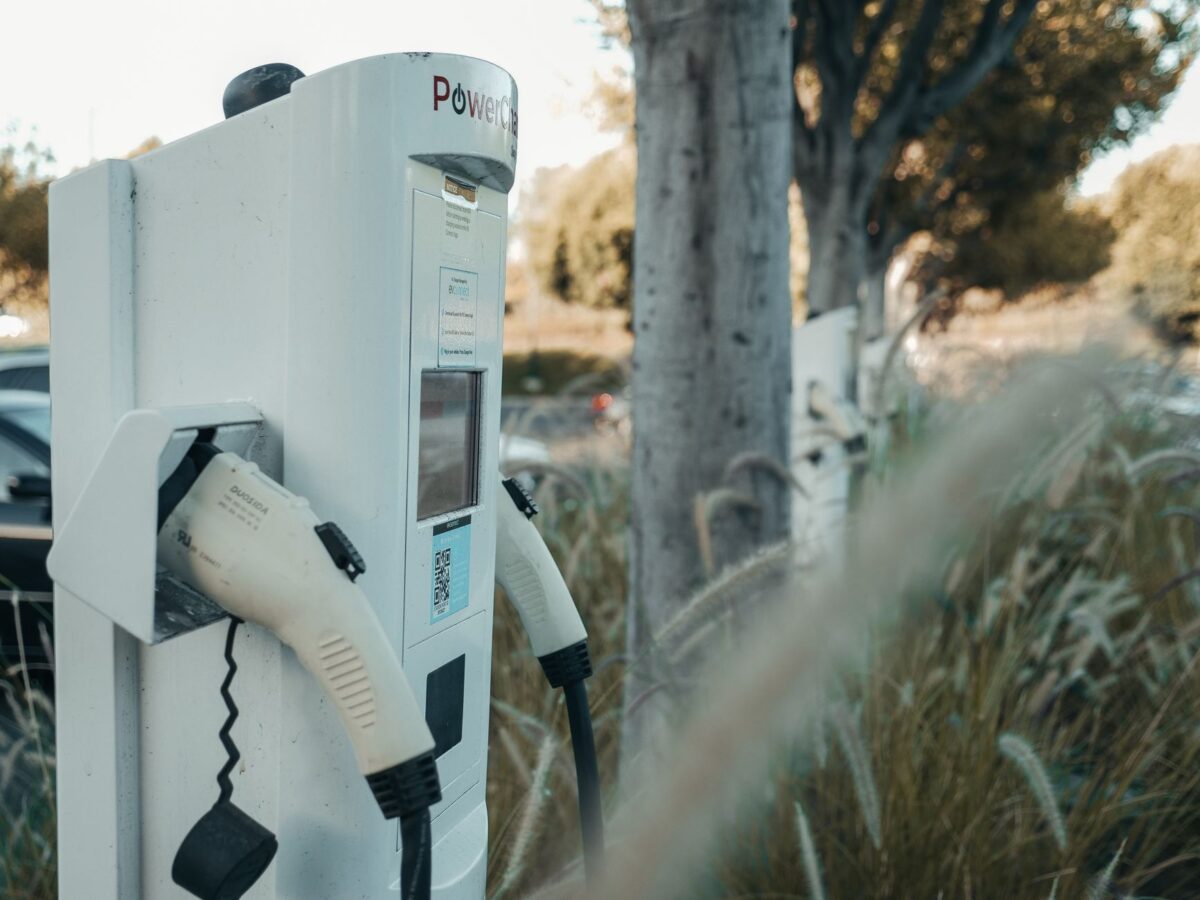
ev charger credit is the everyday name for Section 30C of the federal tax code, officially the Alternative Fuel Vehicle Refueling Property Credit. It gave homeowners 30% back on a home charging setup, capped at $1,000 per residence. Hardware and installation labor both counted. That mattered because a Level 2 install is rarely cheap. However, the rules changed hard in 2026. The One Big Beautiful Bill Act, signed July 4, 2025, killed the credit for property placed in service after June 30, 2026. As a result, the timing question now matters more than the eligibility question. If your charger went live on or before June 30, you can still claim it on the 2026 return you file next spring.
What EV Charger Credit Actually Covers
The credit covered qualified alternative fuel refueling property installed at your main home. In practice, that meant a Level 2 wall unit, the 240-volt circuit feeding it, the breaker, conduit, trenching, permit fees and the electrician’s labor. Bidirectional equipment counted too. The IRS confirmed that vehicle-to-home and vehicle-to-grid hardware qualifies as of January 1, 2023. Chargers for two- and three-wheeled road-legal EVs also qualified.
Two limits shaped every claim. First, the ev charger credit was nonrefundable. It could zero out your federal tax bill, but it never produced a check beyond that. Personal-use filers also got no carryforward. For example, a household owing $600 in federal tax could only capture $600 of a $1,000 credit. The other $400 simply vanished.
Second, and this surprised most people, location decided eligibility. Since 2023, the charger had to sit in an eligible census tract. That means a low-income community under Section 45D(e) or a non-urban tract. Typically, dense suburban and city addresses failed this test. You claimed it on IRS Form 8911, entering your 11-digit census tract GEOID on line 6b.
What It Costs in 2026
A professionally installed Level 2 home charger runs roughly $1,200 to $3,000 in 2026 before any incentive. Industry installation data puts the national average near $2,100. The hardware is the small half. A mid-tier wallbox like a ChargePoint Home Flex or Grizzl-E Classic costs $300 to $650. Labor, conduit, breaker, permit and inspection make up the other 70% to 75% of a typical $1,800 job.
The electrical panel drives everything. A 100-amp to 200-amp service upgrade adds $1,500 to $4,000 and can double the project. Long wire runs to a detached garage add several hundred more. In most cases, a simple install with panel capacity ten feet from the charger lands under $1,500. Complex jobs pass $4,000.
Against those numbers, the ev charger credit was worth up to $1,000. On a $2,100 install, 30% equals $630. On any job above $3,334, the credit capped out at the full $1,000. Charger prices themselves have not fallen much in 2026. However, some installers quietly trimmed quotes after June 30 as demand cooled.
Who Needs EV Charger Credit
This credit mattered most to a specific EV owner. You own your home, you park off-street, and your address falls in a rural or low-income census tract. Rural EV owners were the biggest winners here. Non-urban tracts cover a huge share of the country’s land area, and those drivers depend on home charging because public DC fast stations are sparse.
Renters and condo owners rarely benefited. The property had to be installed at your residence, and landlords control the panel. Apartment dwellers were effectively excluded from the ev charger credit from the start. Urban homeowners in ineligible tracts were also shut out, even with a brand-new EV in the driveway.
You can skip this entirely if you are shopping for an EV now, in August 2026 or later. The federal ev charger credit is $0 for anything placed in service after June 30. Focus your energy on state and utility rebates instead. Those programs are still funded and still paying, though amounts vary widely by state.
Common Exclusions and Mistakes
The single biggest mistake was misreading “placed in service.” The charger had to be installed, energized and operational by June 30, 2026. A signed contract did not count. A paid deposit did not count. Delivered hardware sitting in a garage did not count. Several homeowners lost the ev charger credit because a permit inspection slipped into July.
The census tract rule caused the second wave of denials. People checked a rebate blog instead of the IRS list. Verify your tract in the IRS eligible census tract FAQ and Appendix B. If your GEOID is not listed, no claim exists, regardless of what your installer promised.
📋 Get Free Insurance Guides
Free · No spam · Unsubscribe anytime
Other gaps trip people up. Level 1 cord sets that plug into an existing outlet generally do not qualify as installed refueling property. A panel upgrade only counts to the extent it supports the charging equipment. Also, subtract any utility rebate from your cost basis before applying the 30%. Double-dipping on the same dollar invites an audit adjustment.
How to Get the Best Rate
If you installed before the deadline, protect the claim with paperwork. Keep the itemized invoice, the permit, the inspection sign-off and the utility meter or energization date. Enter the GEOID correctly on Form 8911. Then check your projected federal liability. Because the ev charger credit is nonrefundable with no personal carryforward, low-tax-liability households should consider whether a Roth conversion or other income timing lets them absorb the full amount.
For everyone installing now, stack the remaining programs. Xcel Energy pays Colorado customers up to $500 on a Level 2 charger, with more for income-qualified households. PG&E and other California utilities run $200 to $500 rebates, and Charge Ready+ pays far more to income-qualified residents. NYSERDA-linked New York programs range from $250 to $1,000. Con Edison’s SmartCharge New York pays roughly $400 a year for off-peak charging.
Rebate amounts differ sharply by state and by utility territory, so check your own state guide and DSIRE rather than trusting a national average. Typically, the money is capped and first-come. Get three licensed electrician quotes. Ask specifically whether your panel has spare capacity, since load management devices often avoid a $2,000 upgrade entirely.
Frequently Asked Questions
My charger was delivered in June but installed in July 2026. Can I still claim it?
No. Section 30C keys off the placed-in-service date, not the purchase date. The equipment had to be installed and operational by June 30, 2026. A July energization or inspection disqualifies the whole project. Purchase receipts, deposits and delivery confirmations do not preserve the ev charger credit. This is the most common denial reason filers hit this year.
How do I find out if my home is in an eligible census tract?
Look up your 11-digit census tract GEOID, which combines a 2-digit state code, 3-digit county code and 6-digit tract code. Then search that number in IRS Appendix B, the official list of 30C-eligible 2020 census tracts. The IRS and Department of Energy also publish mapping tools. If your GEOID is absent, you cannot claim the credit.
Does a vehicle-to-home bidirectional charger qualify?
Yes, if it was placed in service by June 30, 2026 in an eligible tract. The IRS expanded qualified property in 2023 to include bidirectional charging equipment. That covers V2H and V2G systems that push power from the vehicle battery back to your home or the grid. Those systems cost far more, so most claims hit the $1,000 cap immediately.
Will Congress bring the ev charger credit back?
Nothing is pending as of July 2026. The 2025 law set a hard June 30, 2026 termination, and no extension bill has advanced. Plan around state and utility programs instead. Several states expanded their own charger rebates after the federal repeal, but funding is limited and application windows close fast. Check your utility before scheduling the electrician.
Compare Ev Incentives And Ownership Costs Rates
Rates for EV incentives and ownership costs vary widely between carriers, and the specialists often beat the big
national names. Comparing several quotes is the single most reliable way to pay less.
(paid link)
Official Sources & Resources
For verified information relevant to EV owners and shoppers:
- U.S. Department of Energy – Alternative Fuels Data Center: afdc.energy.gov
- NAIC (National Association of Insurance Commissioners): naic.org
- Insurance Information Institute: iii.org
- AM Best – Insurer Financial Strength: ambest.com
Content last reviewed July 2026. If you notice any outdated information, please contact us.