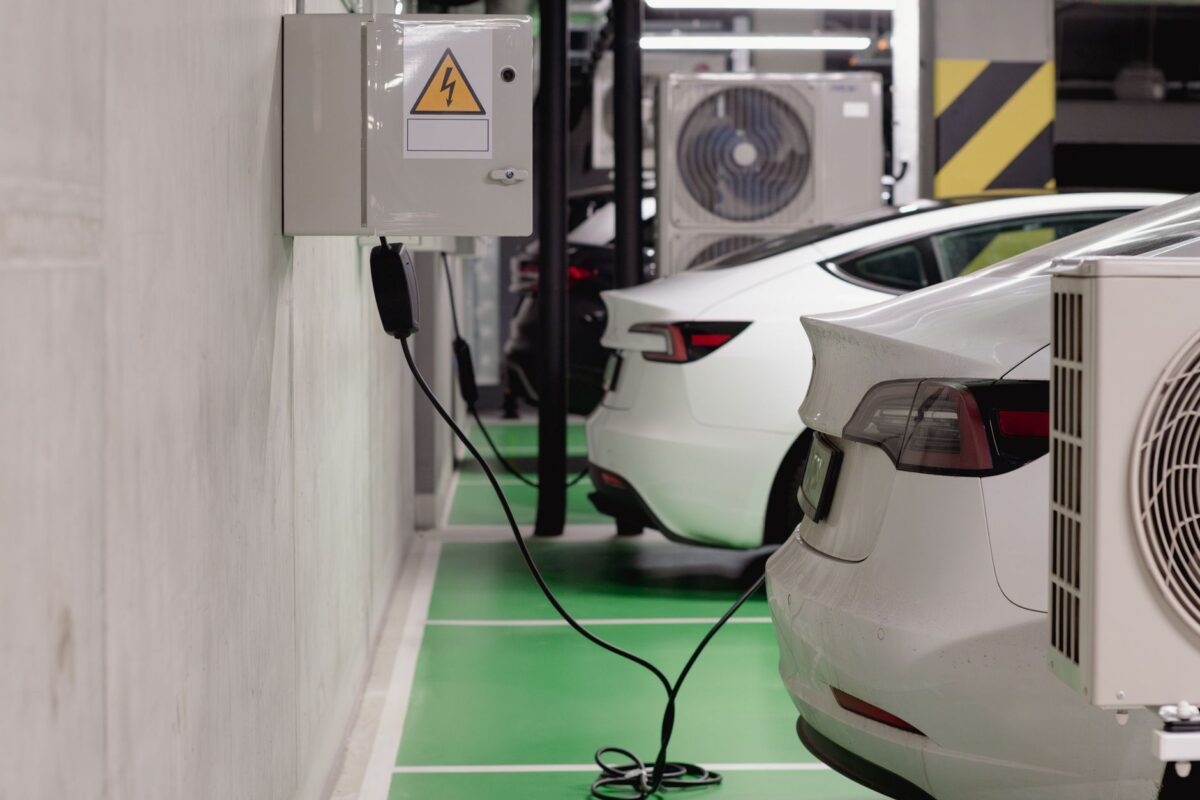
charging cost is the number that decides whether an electric vehicle actually saves you money. It is simply what you pay in electricity to drive a mile, compared with what a gasoline driver pays at the pump. In 2026, that gap is still wide but narrower than the headlines suggest. The U.S. residential electricity average sits near $0.18 per kWh as of mid-2026. National average gasoline hovers around $4.00 per gallon. However, your personal numbers depend on where you charge, when you charge, and which state you live in. This guide breaks down real 2026 rates, network pricing, and the fees that quietly erase savings.
What Charging Cost Actually Covers
Your charging cost has three separate layers, and most shoppers only think about the first. Layer one is the raw energy price per kilowatt-hour. Layer two is charging losses. Roughly 10 to 15 percent of the electricity leaving your wall never reaches the battery. As a result, a 75 kWh battery pulls closer to 85 kWh from the meter. Layer three is fees. These include session fees, idle fees, and monthly network memberships.
Home Level 2 charging is where most drivers spend. Typical residential rates run $0.12 to $0.22 per kWh depending on the state. Southern and Mountain states often sit near $0.12 to $0.15. California, New England, and Hawaii regularly exceed $0.25 per kWh. Because that spread is so large, your charging cost is a state question first and a car question second. Check your CarCoverGuide state guide before assuming any national figure applies to you.
Public DC fast charging is the expensive layer. In 2026, Tesla Supercharger averages about $0.42 per kWh. EVgo averages near $0.44. Electrify America runs $0.43 to $0.60 for non-members, and reaches $0.68 per kWh in high-cost states. Typically, a 10 to 80 percent fast charge on a 75 kWh pack adds about 52 kWh. That single stop costs $18 to $29.
What It Costs in 2026
Home charging cost lands around $3.50 to $6.50 per 100 miles for most EVs. That works out to roughly $0.03 to $0.05 per mile. Expressed as gasoline, it is like paying $1.30 to $2.20 per gallon. A gas car at 28 mpg with $4.00 fuel costs about $0.14 per mile. For example, a driver covering 12,000 miles yearly spends about $480 charging at home and about $1,700 on gasoline.
Fast charging changes the math sharply. At $0.45 per kWh, the same EV costs roughly $0.13 to $0.16 per mile. In most cases, that is a wash against gasoline. Drivers who fast-charge exclusively often see no fuel savings at all. Idle fees add insult. Several networks charge up to $1.00 per minute once your session ends and you have not unplugged.
Time-of-use rates are the biggest lever on home charging cost. SDG&E’s EV-TOU-5 super-off-peak window dropped to $0.18 per kWh for midnight to 6 a.m. starting April 2026, while on-peak from 4 to 9 p.m. stays near $0.66. ConEd off-peak overnight energy is a fraction of its summer afternoon rate. Charging at 2 a.m. instead of 6 p.m. can cut your charging cost by half or more.
Who Needs Charging Cost
Every EV shopper needs to run these numbers before signing. However, the analysis matters most for people without a driveway or garage. Apartment dwellers and street parkers depend on public networks. Their real charging cost may be triple what a homeowner pays. For that group, the fuel savings case can disappear entirely, and a hybrid may pencil out better.
High-mileage commuters gain the most. Someone driving 20,000 miles a year on home electricity saves roughly $1,800 annually versus a comparable gas car. Rural drivers with long distances and cheap Midwest electricity also do well. Typically, the break-even on a $1,200 Level 2 installation arrives within 12 to 18 months for these drivers.
Who can skip the deep analysis? Low-mileage drivers under 6,000 miles a year. Their annual charging cost difference may total only $300 to $500. At that level, insurance, tires, and depreciation matter far more than fuel. Road-trip-heavy drivers should also weigh the fast-charging premium honestly before switching.
Common Exclusions and Mistakes
The most expensive mistake is ignoring state EV registration surcharges. Roughly 41 states now charge an extra annual fee on battery EVs in 2026. New Jersey tops the list near $270 and Michigan sits around $267. The median listed fee is about $150 per year. Nine states charge nothing, including Florida, Arizona, New York, and Massachusetts. Because this varies so widely, consult your state guide rather than assuming a flat figure.
Per-mile road usage charges are the newer surprise. Oregon set a 2.3 cents-per-mile rate for 2026. Other states are piloting similar programs. For a 12,000-mile driver, that adds roughly $276 to annual ownership cost. It does not show up on any charging cost calculator.
📋 Get Free Insurance Guides
Free · No spam · Unsubscribe anytime
Federal incentives are largely gone. The $7,500 new and $4,000 used EV credits expired September 30, 2025. The Section 30C home charger credit, worth 30 percent up to $1,000, expired June 30, 2026 under the One Big Beautiful Bill Act. If your charger was placed in service by that date in an eligible census tract, you can still file IRS Form 8911. Otherwise, no federal charger credit exists. Finally, many drivers forget that installation itself runs $800 to $2,500 with panel work.
How to Get the Best Rate
Start with your utility. Enrolling in an EV-specific time-of-use plan is the single largest reduction available. PG&E’s EV2-A rate is cheapest from midnight to 3 p.m. daily, including weekends. Set your car or charger to start automatically inside that window. Do not rely on remembering to plug in at the right hour.
Next, check state and utility rebates. These still pay $200 to $2,500 on home EV chargers even though the federal credit ended. Many utilities also offer discounted equipment or managed-charging bill credits. ConEd’s EV SmartCharge program pays rewards for off-peak sessions. Stack these programs, since federal, state, and utility incentives are separate and do not conflict.
If you fast-charge often, memberships pay off. EVgo PlusMax runs $12.99 monthly and cuts charging cost up to 35 percent with no session fees. EVgo Plus is $6.99 monthly for up to 25 percent off. Electrify America Pass+ costs $7.99 monthly for roughly 20 percent off. For example, a driver buying 150 kWh monthly at $0.48 saves about $14 with Pass+. That covers the fee and more.
Frequently Asked Questions
Does charging at home raise my electric bill enough to notice?
Yes, noticeably. A typical EV adds 250 to 400 kWh per month to household usage. At $0.18 per kWh, that is roughly $45 to $72 monthly. However, it replaces $130 to $180 in gasoline. Watch for tiered rate plans, where the added usage can push your entire household into a higher price tier.
Is fast charging still cheaper than gasoline in 2026?
Barely, and sometimes not. At $0.45 per kWh, fast charging costs about $0.13 to $0.16 per mile. Gasoline at $4.00 per gallon and 28 mpg costs about $0.14. In high-cost states where Electrify America hits $0.68 per kWh, exclusive fast charging is more expensive than gas.
Do charging losses really matter to my charging cost?
They do. Level 2 home charging loses roughly 10 to 15 percent between the meter and the battery. Cold weather worsens this because the pack must warm itself. In practice, budget about 12 percent above your battery capacity. A 75 kWh pack effectively draws 84 to 86 kWh per full charge.
Can I still claim a federal credit for installing a home charger?
Only if it was placed in service by June 30, 2026, at a residence in an eligible census tract. In that case, file IRS Form 8911 with your 2026 return for 30 percent back, capped at $1,000. Installations after that date get no federal credit. State and utility rebates remain available.
Compare Ev Incentives And Ownership Costs Rates
Rates for EV incentives and ownership costs vary widely between carriers, and the specialists often beat the big
national names. Comparing several quotes is the single most reliable way to pay less.
(paid link)
Official Sources & Resources
For verified information relevant to EV owners and shoppers:
- U.S. Department of Energy – Alternative Fuels Data Center: afdc.energy.gov
- NAIC (National Association of Insurance Commissioners): naic.org
- Insurance Information Institute: iii.org
- AM Best – Insurer Financial Strength: ambest.com
Content last reviewed July 2026. If you notice any outdated information, please contact us.