Table of Contents
Towing labor coverage is an optional add-on to your auto insurance policy. It pays for a tow when your car breaks down. It also pays for basic labor done at the breakdown site. Most drivers never think about this coverage until they are stuck on the shoulder.
However, a single tow can easily cost $100 to $250. In most cases, towing labor coverage costs only a few dollars a month. As a result, it is one of the cheapest add-ons you can buy. This guide explains what towing labor coverage includes and what it leaves out. It also covers typical limits, costs, and how to decide if you need it.
What Towing Labor Coverage Includes
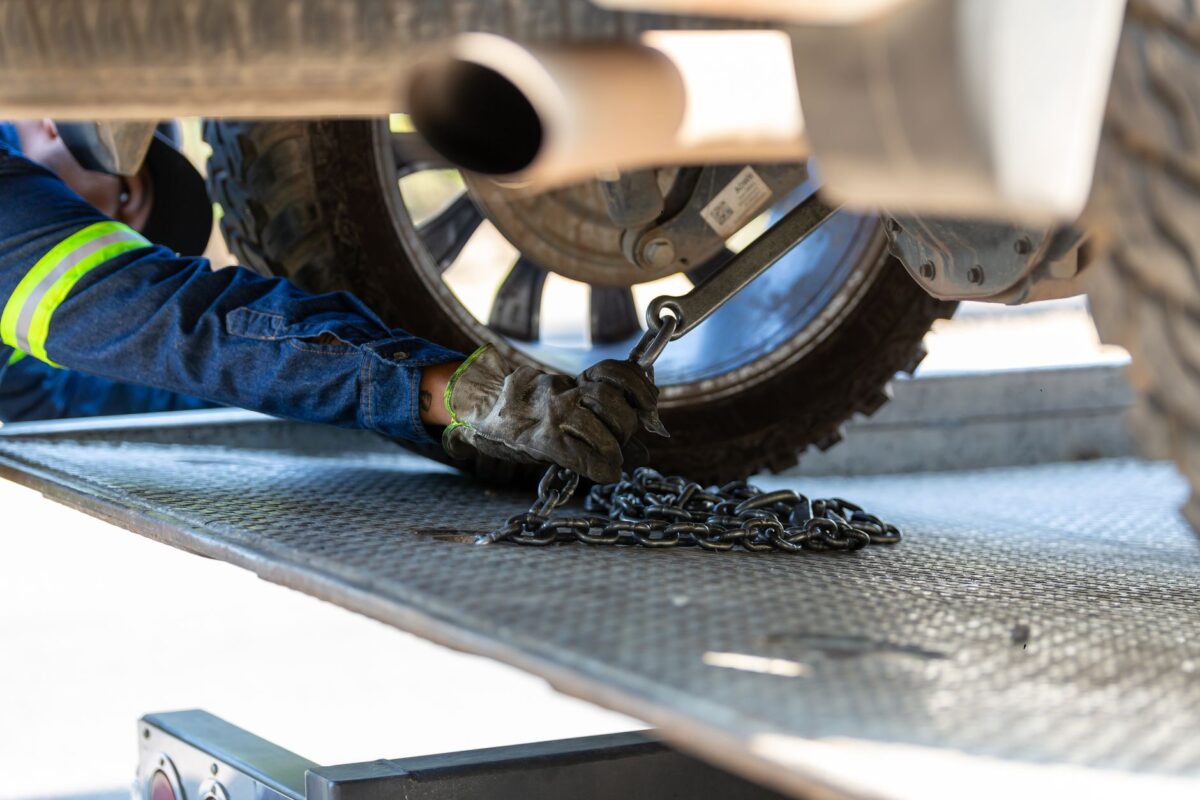
Towing labor coverage has two parts. The first part is towing. If your car cannot be driven, the policy pays to tow it. Typically, the tow goes to the nearest qualified repair shop. Some insurers let you choose a shop farther away, but you may pay the extra miles.
The second part is labor. This means work done at the spot where your car broke down. It does not cover repair work done later at a garage. For example, a technician might change a flat tire on the roadside. That labor would usually be covered. Most policies limit on-site labor to about one hour.
Many insurers bundle these services with other roadside help. Common covered services include:
- Towing to a nearby repair facility
- Jump-starts for a dead battery
- Flat tire changes using your spare
- Lockout help if your keys are locked inside
- Fuel, oil, or water delivery (you often pay for the fuel itself)
- Winching if your car is stuck in mud, snow, or a ditch near the road
Coverage details vary by company and by state. As a result, always read the endorsement wording in your policy. The National Association of Insurance Commissioners (NAIC) advises consumers to review optional coverages carefully. You can find general guidance on the NAIC auto insurance consumer page.
What Towing Labor Coverage Does Not Include
Towing labor coverage has clear limits. It does not pay for parts. For example, if you need a new battery, you pay for the battery. The policy only covers the labor to jump-start or swap it on site.
It also does not cover repairs at a shop. Once your car reaches the garage, the coverage typically ends. Diagnosing the problem and fixing the engine are your costs. However, if the breakdown came from a covered accident, collision coverage may pay for repairs.
Other common exclusions include:
- Cost of fuel, oil, or replacement parts
- Storage fees at a tow yard after the first day or so
- Tows from off-road locations not reached by normal roads
- Repeated calls beyond a yearly limit (some insurers cap at 3 to 4 calls)
- Tows for cars that were impounded by police
In most cases, towing after an accident is handled differently. If you have collision or comprehensive coverage, that coverage often pays the tow. As a result, towing labor coverage mainly helps with mechanical breakdowns. It fills a gap that standard physical damage coverage does not.
Towing Labor Coverage Limits and Costs
Most insurers set a dollar limit per disablement. Common limits are $50, $75, $100, or $200 per incident. Some companies instead use a mileage limit, such as 15 or 25 miles. If your tow costs more than the limit, you pay the difference.
The premium is usually small. Towing labor coverage often adds about $10 to $40 per year. That works out to roughly $1 to $3 per month. However, prices depend on your insurer, your state, and the limit you pick.
Compare that with what a tow costs out of pocket. A local tow typically runs $75 to $125 for the hookup fee. Many companies then charge $2.50 to $7 per mile. A 20-mile tow could easily top $200. Winching or after-hours service can add $50 to $150 more.
| Service | Typical Out-of-Pocket Cost | Usually Covered? |
|---|---|---|
| Local tow (hookup fee) | $75 – $125 | Yes, up to limit |
| Per-mile towing charge | $2.50 – $7 per mile | Yes, up to limit |
| Jump-start | $50 – $100 | Yes |
| Flat tire change | $50 – $125 | Yes (labor only) |
| Lockout service | $50 – $150 | Often yes |
| Winching out of a ditch | $100 – $300 | Often yes, near the road |
| Replacement parts or fuel | Varies | No |
Some insurers pay the provider directly through a dispatch line. Others make you pay first and then file for reimbursement. Typically, reimbursement claims must be filed within 30 to 60 days. Keep your receipts in either case.
Also note that some insurers require you to carry comprehensive and collision first. In other words, you may not be able to add towing to a liability-only policy. Check with your agent before you assume it is available.
How to Decide if You Need Towing Labor Coverage
Start by checking what you already have. Many drivers pay for roadside help twice without knowing it. For example, new cars often come with manufacturer roadside assistance. This usually lasts 3 to 5 years or up to 60,000 miles. Some credit cards and cell phone plans also include roadside help.
Next, compare towing labor coverage with an auto club. A AAA membership typically costs about $60 to $170 per year. Higher tiers include longer tows, sometimes 100 miles or more. However, an insurance add-on is usually cheaper. It may also follow the car rather than the person.
📋 Get Free Insurance Guides
Free · No spam · Unsubscribe anytime
Consider these factors before you decide:
- Vehicle age: Older cars with high mileage break down more often.
- Driving habits: Long commutes and rural roads raise your risk.
- Emergency savings: If a $200 tow would strain your budget, coverage helps.
- Existing benefits: Skip it if your warranty or card already covers towing.
Finally, ask your insurer one key question. Will using towing labor coverage affect your rates? In most cases, roadside claims do not raise premiums. They are not fault-based claims. However, some insurers track frequent use. A high number of calls could lead to non-renewal of the add-on. The Insurance Information Institute offers more detail on optional auto coverages.
How to Use Your Coverage When You Break Down
First, get to a safe spot. Turn on your hazard lights. If you are on a highway, stay inside the car with your seatbelt on. Move away from traffic only if it is safe to do so.
Next, call your insurer’s roadside number. This number is often printed on your ID card. Most insurers also offer an app with GPS dispatch. Typically, a provider arrives within 30 to 60 minutes. Wait times can be longer in rural areas or bad weather.
If you call your own tow company, ask about the price first. Get an itemized receipt. Then submit it to your insurer for reimbursement. As a result, you will avoid surprises if the bill goes over your limit.
Frequently Asked Questions
Is towing labor coverage the same as roadside assistance?
They are very similar. Some insurers use the two names for the same add-on. However, roadside assistance plans sometimes include extra services, like trip interruption pay. Always compare the policy wording.
Does towing labor coverage cover towing after an accident?
In most cases, accident tows are paid by collision or comprehensive coverage. Towing labor coverage is mainly for mechanical breakdowns. For example, a dead alternator or a flat tire would fall under it.
How much does towing labor coverage cost per year?
Typically, it costs about $10 to $40 per year. The price depends on your insurer, state, and coverage limit. As a result, it is one of the most affordable add-ons available.
Will a roadside claim raise my insurance rates?
Usually, no. Roadside claims are not tied to fault. However, frequent use may lead some insurers to drop the add-on at renewal.
Compare Insurance Rates
Ready to see if you could be paying less? Compare quotes from top insurers in your area. Getting multiple quotes is the most effective way to find a better rate.
(paid link)
Official Sources & Resources
For verified information on auto insurance regulations and consumer protection:
- NAIC (National Association of Insurance Commissioners): naic.org
- Insurance Information Institute: iii.org
- Federal Trade Commission — Auto Insurance: consumer.ftc.gov
- USA.gov — Car Insurance: usa.gov/car-insurance
Content last reviewed November 2026. If you notice any outdated information, please contact us.