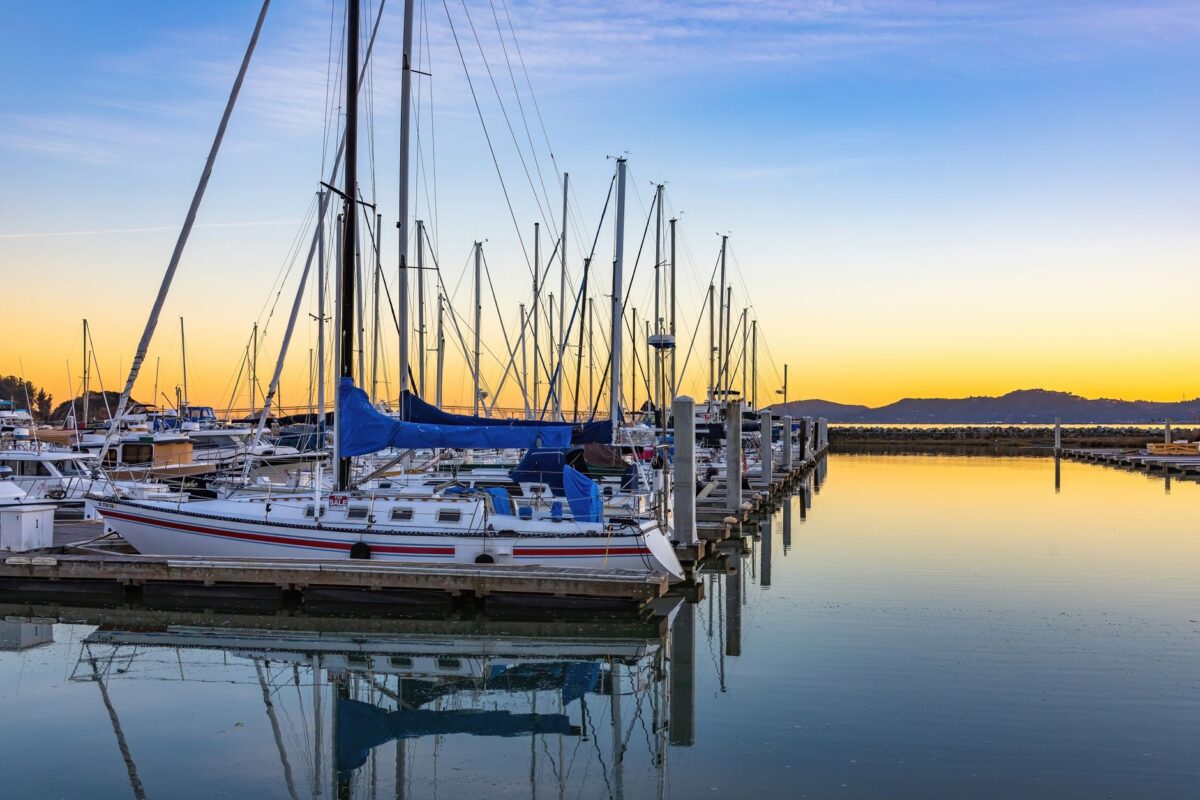
Boat storage insurance is the coverage that protects your vessel during the months it sits out of the water. It goes by several names on a policy. Marine underwriters call it a lay-up period, a lay-up warranty, or storage-ashore coverage. The idea is simple. From roughly November through April, your boat faces no collision risk and no on-water liability. However, it still faces fire, theft, vandalism, wind, collapsing shrink wrap, and freeze damage. Boat storage insurance keeps those perils covered while stripping out the navigation risks you are not exposed to. In most cases it also cuts your premium. That combination is why lay-up matters to any owner in a seasonal climate.
What Boat Storage Insurance Actually Covers
A lay-up endorsement does two things at once. It suspends on-water coverage and it keeps land-based perils intact. During the lay-up window, your boat is covered for theft, fire, vandalism, wind, hail, and falling objects. Storage-ashore coverage also handles structural damage from a cradle failure or a stand that shifts. Transit is usually included too. For example, the haul-out, the trip to the yard, and the spring launch are typically covered under the same policy.
What goes away is the on-water half. Collision, wreck removal, uninsured boater coverage, and fuel spill liability are suspended while the boat is laid up. That is the trade. Boat storage insurance is not a separate policy you buy from a different company. It is a warranty written into your existing hull and liability policy, with dates you specify.
The conditions attached are strict. The vessel must not be navigated. It must not be “ready for immediate use,” which in practice means winterized. It must not be lived aboard. Break any of those and the credit can unwind at claim time. As a result, the paperwork matters as much as the coverage itself.
What It Costs in 2026
Most recreational boat owners pay $200 to $500 a year for a full policy. A $25,000 runabout lands near $300. Premiums generally run 1% to 5% of insured hull value. Larger yachts routinely exceed $5,000 annually. Boat storage insurance is not priced as a standalone product. Instead, the lay-up period reduces what you already pay.
Lay-up credits typically run 5% to 15% of the annual premium. On a $600 policy, that is $30 to $90 back. On a $4,000 yacht policy, it can be $200 to $600. Longer lay-up windows earn bigger credits. A five-month December-through-April warranty saves more than a two-month one. Storing ashore usually beats storing afloat, since ice and sinking risk drop sharply.
Ice and freeze coverage is often the add-on that matters most. It is frequently excluded unless purchased. BoatUS has offered freeze coverage to members for as little as $25 when bought before an October 30 deadline. Geography drives the rest. The same $50,000 boat can cost $1,200 to $1,500 in Miami and $700 to $900 in Minnesota. Rates vary widely by state, so check your state guide rather than trusting a national average.
Who Needs Boat Storage Insurance
If you boat north of the freeze line, you need it. Owners on the Great Lakes, in New England, the Chesapeake, the Pacific Northwest, and the inland lake states are the core group. Anyone hauling out for four or more consecutive months should have a lay-up warranty on file. Boat storage insurance is also worth arranging if you dry-stack or trailer-store a boat at home for the winter.
Owners of larger inboards benefit most. Engine-block freeze damage is expensive, and the credit helps offset the cost of the endorsement that covers it. Typically, anyone with a boat worth more than $30,000 should treat lay-up as mandatory, not optional. Marina storage contracts often require proof of insurance before they will accept your vessel anyway.
Some owners can skip it. Year-round boaters in Florida, Texas, southern California, and the Gulf Coast have no meaningful lay-up window. A lay-up warranty would just restrict your use for a small credit. Jet ski and small-trailer-boat owners may also find the savings too thin to bother. However, even they should confirm that off-season theft and fire are still covered.
Common Exclusions and Mistakes
Freeze damage is the biggest gap. It tops the list of denied claims every spring. Many marine policies exclude ice and freezing unless you buy a specific endorsement. Even with the endorsement, insurers often require proof of professional winterization by a qualified marine technician. Keep the invoice. A BoatUS ten-year review found that more than 75% of freeze claims involved cracked engine blocks or exhaust manifolds. Replacing even a small engine runs over $10,000 before labor.
The second trap is using the boat during lay-up. A November delivery run or a warm-February test start can void the warranty. Notify your agent and amend the dates instead. The third is stale paperwork. Owners move marinas, change storage from afloat to ashore, and never update the lay-up warranty. Boat storage insurance only responds if the declared location matches reality.
📋 Get Free Insurance Guides
Free · No spam · Unsubscribe anytime
Finally, do not assume the marina is liable. Storage agreements routinely include exculpatory clauses. Many state the marina is not a bailee, is not responsible for fire, and is not responsible for freeze damage. Some justify this by pointing to the low storage rate charged. Read the contract before you sign. Your own boat storage insurance is usually your only real recovery.
How to Get the Best Rate
Start by declaring the longest honest lay-up period you can. A December 1 to March 31 window is common. Pushing it to November 1 through April 15 earns more credit if you truly will not launch. For example, many northern owners already haul in late October and gain nothing by leaving the window short.
Next, use a specialty marine carrier rather than a general auto insurer. Marine underwriters such as United Marine Underwriters, SkiSafe, Charter Lakes, and BoatUS write lay-up warranties as standard. Progressive, Foremost, and Nationwide also offer seasonal endorsements. Specialty markets typically price agreed-value hull coverage better and handle freeze endorsements more cleanly.
Timing matters. Buy or renew freeze coverage before the fall deadline, often October 30. Stack the other credits too. Boating safety course completion, multi-policy bundling, claims-free history, and higher deductibles all move the number. Store ashore instead of afloat if the yard allows it. Then send your agent the winterization receipt each fall. That single document is what turns boat storage insurance into a paid claim rather than a denial letter.
Frequently Asked Questions
Should I just cancel my policy for the winter instead?
No. Canceling leaves you exposed to theft, fire, vandalism, and shrink-wrap collapse, which are the actual off-season risks. You also break coverage continuity, which raises your next premium and can cost you claims-free discounts. A lay-up warranty gives you most of the savings without the gap. In most cases the credit is 5% to 15%, and full cancellation saves little more.
Does boat storage insurance cover a cracked engine block?
Only if you carry an ice and freeze endorsement and can prove proper winterization. Freeze damage is excluded on many base policies. Insurers commonly require a receipt showing a qualified marine technician did the work. Without it, the claim is usually denied as owner negligence. Given engine replacement costs exceeding $10,000, the endorsement is worth its typical small premium.
Can I use my boat during the declared lay-up period?
No, and this catches people out. The warranty requires that the vessel is not navigated and is not ready for immediate use. A single winter outing can void coverage for the whole period. If plans change, call your agent and shorten the lay-up dates before you launch. Amendments are usually free and take minutes.
Does my marina’s insurance cover my boat in winter storage?
Almost never. Storage agreements typically include clauses stating the marina is not a bailee and is not liable for fire, theft, or freeze damage. Many marinas also require you to carry your own liability coverage as a condition of storage. Read the contract you sign each fall. Assume your own policy is the only thing responding.
Compare Boat Insurance Rates
Rates for boat insurance vary widely between carriers, and the specialists often beat the big
national names. Comparing several quotes is the single most reliable way to pay less.
(paid link)
Official Sources & Resources
For verified information relevant to boat owners:
- U.S. Coast Guard Boating Safety Division: uscgboating.org
- NAIC (National Association of Insurance Commissioners): naic.org
- Insurance Information Institute: iii.org
- AM Best – Insurer Financial Strength: ambest.com
Content last reviewed July 2026. If you notice any outdated information, please contact us.