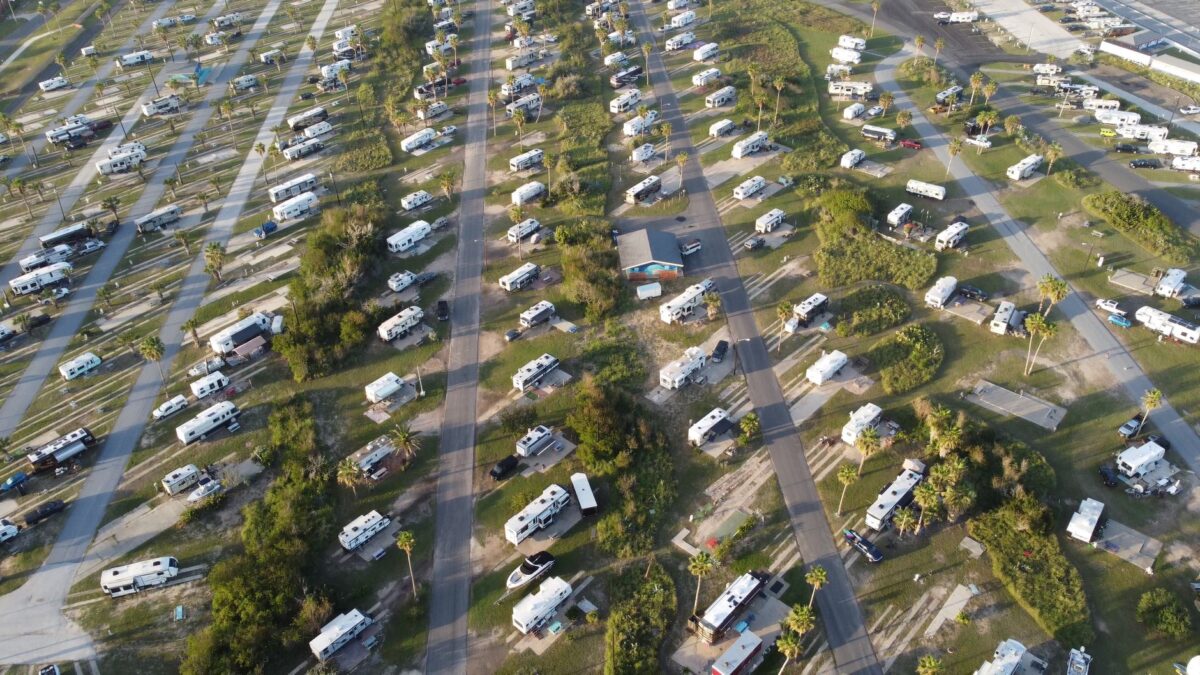
Class A motorhome insurance is a specialty policy built for the largest coaches on the road, the bus-style rigs running 26 to 45 feet. It is not a car policy with bigger numbers attached. A Class A motorhome combines a heavy truck or bus chassis, a residential interior, and tens of thousands of dollars in personal contents. Insurers rate all three separately. Most standard auto carriers will not write one at all. However, specialty markets like Progressive, Foremost, National General, Safeco, USAA, and the Good Sam agency do it every day. If you own or are shopping a Class A motorhome, knowing how this coverage is assembled saves real money. It also prevents an ugly surprise at claim time.
What Class A Motorhome Insurance Actually Covers
Liability is the legally required piece, because a Class A motorhome is a registered motor vehicle. Minimum limits are set by your state and are almost always too low for a 30,000-pound coach. Most specialty agents write $300,000 to $500,000 combined single limit, and many full-timers carry $1 million. Required minimums vary widely by state, so check your state guide rather than assuming a national figure. Uninsured and underinsured motorist coverage is added separately. Medical payments coverage is typically offered in $1,000 to $10,000 increments.
Physical damage is where the money sits. Comprehensive and collision on the coach itself can be written three ways. Actual cash value pays depreciated value. Agreed value locks in a number you and the carrier set at binding. Total loss replacement pays for a brand-new comparable unit, but eligibility usually stops around model year five and often requires original ownership. For example, a 2024 diesel pusher bought new may still qualify in 2026. A 2015 coach will not.
The RV-specific endorsements matter just as much. Personal effects coverage typically runs $3,000 to $100,000 and protects clothing, tools, and electronics inside. Attached accessories coverage picks up awnings, satellite domes, solar panels, and slide toppers. Emergency expense coverage, sometimes called vacation liability, pays roughly $500 to $2,000 for lodging and transportation when your rig is disabled far from home. Roadside assistance must be rated for heavy coaches, since a standard auto plan will not tow 40 feet.
What It Costs in 2026
In 2026, a gas Class A motorhome typically runs $1,000 to $1,500 per year for recreational use. Diesel pushers cost far more, generally $2,000 to $5,000 annually, and luxury coaches valued above $400,000 routinely exceed that. Industry-wide, most Class A motorhome policies land between $1,200 and $3,500 per year with full coverage, $500 to $1,000 deductibles, and standard liability limits. Average premiums across all RV types sat near $1,500 in 2025, and 2026 pricing has stayed close, with modest increases in a handful of states.
Three things drive the number up. Value is first: a diesel Class A motorhome carries a costlier drivetrain and a higher repair bill per claim. Occupancy is second, since full-timer’s coverage typically adds 25% to 40% over a recreational policy. Third is replacement cost inflation. Tariffs on steel and aluminum pushed 2026 RV prices up an estimated 3% to 6%, which raises insured values even when the rate itself does not change.
Location matters more than most owners expect. Coastal wind and hail exposure, theft rates, and state liability minimums all move the premium. As a result, the same Class A motorhome can price hundreds of dollars apart across two states. Check your state guide for local figures instead of relying on a national average.
Who Needs Class A Motorhome Insurance
Every owner of a motorized Class A motorhome needs at least liability coverage. There is no opting out. If the coach is financed, the lender will also require comprehensive and collision, usually with a maximum deductible written into the loan agreement. Owners of high-value diesel pushers should push further and ask for agreed value, because actual cash value on a depreciating luxury coach produces painful settlement offers.
Full-timer’s coverage applies to anyone living in the rig six months a year or more. It layers on personal liability, loss assessment for RV park or association fees, additional living expenses, and storage shed coverage. In most cases it functions like a homeowners policy wrapped around your Class A motorhome. Snowbirds who travel four months and return to a house do not need it.
Some owners can safely trim. If your Class A motorhome is 15 years old and worth $25,000, collision coverage with a $1,000 deductible may not earn its keep. Total loss replacement is wasted money once the coach ages out of the eligibility window. Typically, older-coach owners keep strong liability and comprehensive, then self-insure collision.
Common Exclusions and Mistakes
The biggest gap is occupancy. A standard recreational policy excludes use as a permanent residence. Owners who quietly move into their Class A motorhome full-time and never tell the carrier risk a denied liability claim. Renting the coach out is a second common trap. Business and peer-to-peer rental use is excluded unless you buy a commercial or rental-platform endorsement.
Water is the classic denied claim. Roof seam failures, leaking window seals, resulting mold, and sidewall delamination are treated as maintenance and wear, not sudden accidental loss. Rodent damage to wiring is also commonly excluded. For example, a $12,000 delamination repair traced to a failed roof seal is almost always the owner’s bill, not the carrier’s.
📋 Get Free Insurance Guides
Free · No spam · Unsubscribe anytime
Two more surprises show up often. The car you tow is not automatically covered by the motorhome policy and needs its own auto insurance, plus a supplemental towed-vehicle endorsement for damage while flat-towing. And Mexico is excluded on most U.S. policies. Good Sam is one of the few programs offering Mexico coverage. Personal effects sublimits on jewelry, firearms, and electronics also catch people, since a $2,500 blanket sublimit rarely covers real contents.
How to Get the Best Rate
Start with storage. Layup or storage-only coverage suspends collision and liability during the months your Class A motorhome sits parked, while keeping comprehensive for fire, theft, and hail. Carriers advertise savings up to 53%, and 40% to 60% off the monthly premium during storage months is realistic. Just remember you cannot legally drive it during a layup period.
Then stack discounts. Multi-vehicle and multi-policy credits reach roughly 20%. Progressive offers an original owner discount when you carry comprehensive and collision, plus claim-free renewal credits. Association memberships through Good Sam or FMCA, completion of an RV safety or driving course, paid-in-full billing, and diminishing deductible programs all add up. Raising deductibles from $500 to $1,000 or $2,500 produces the single largest premium drop for most owners.
Finally, shop specialty. An independent agent who writes Foremost, National General, Safeco, and Progressive side by side will find spreads of $800 or more on the same Class A motorhome. Re-quote every renewal, and re-quote again after any major change: new storage address, a paid-off loan, or crossing into full-time living. Typically the carrier that was cheapest at purchase is not cheapest three years later.
Frequently Asked Questions
Will my regular auto policy cover a Class A motorhome?
No. Most standard auto carriers exclude motorhomes entirely, and the few that add one will not include RV-specific pieces like personal effects, attached accessories, emergency expense, or full-timer’s liability. You need a dedicated RV policy from a specialty market such as Progressive, Foremost, National General, or Safeco.
Do I need a special driver’s license to insure one?
Usually not, but it depends on weight and state. Several states require a non-commercial Class B license above 26,000 pounds GVWR, which many diesel pushers exceed. Carriers rarely verify this at binding. However, driving unlicensed for the weight class can complicate a serious liability claim, so check your state’s rules.
Does the policy cover my towed car behind the coach?
Not automatically. The towed vehicle keeps its own auto policy for liability. Damage that occurs while it is flat-towed generally requires a supplemental towed-vehicle or dinghy endorsement on the motorhome policy. For example, tow-bar damage to a Jeep’s front end is denied without that endorsement in place.
When is total loss replacement worth paying for?
It makes sense on newer coaches, generally within the first five model years, and usually only for the original owner. On a $300,000 diesel pusher, the endorsement typically costs a few hundred dollars and can be worth six figures after a fire or rollover. On an older unit, ask for agreed value instead.
Compare Rv Insurance Rates
Rates for RV insurance vary widely between carriers, and the specialists often beat the big
national names. Comparing several quotes is the single most reliable way to pay less.
(paid link)
Official Sources & Resources
For verified information relevant to RV owners:
- Federal Motor Carrier Safety Administration (FMCSA): www.fmcsa.dot.gov
- NAIC (National Association of Insurance Commissioners): naic.org
- Insurance Information Institute: iii.org
- AM Best – Insurer Financial Strength: ambest.com
Content last reviewed July 2026. If you notice any outdated information, please contact us.