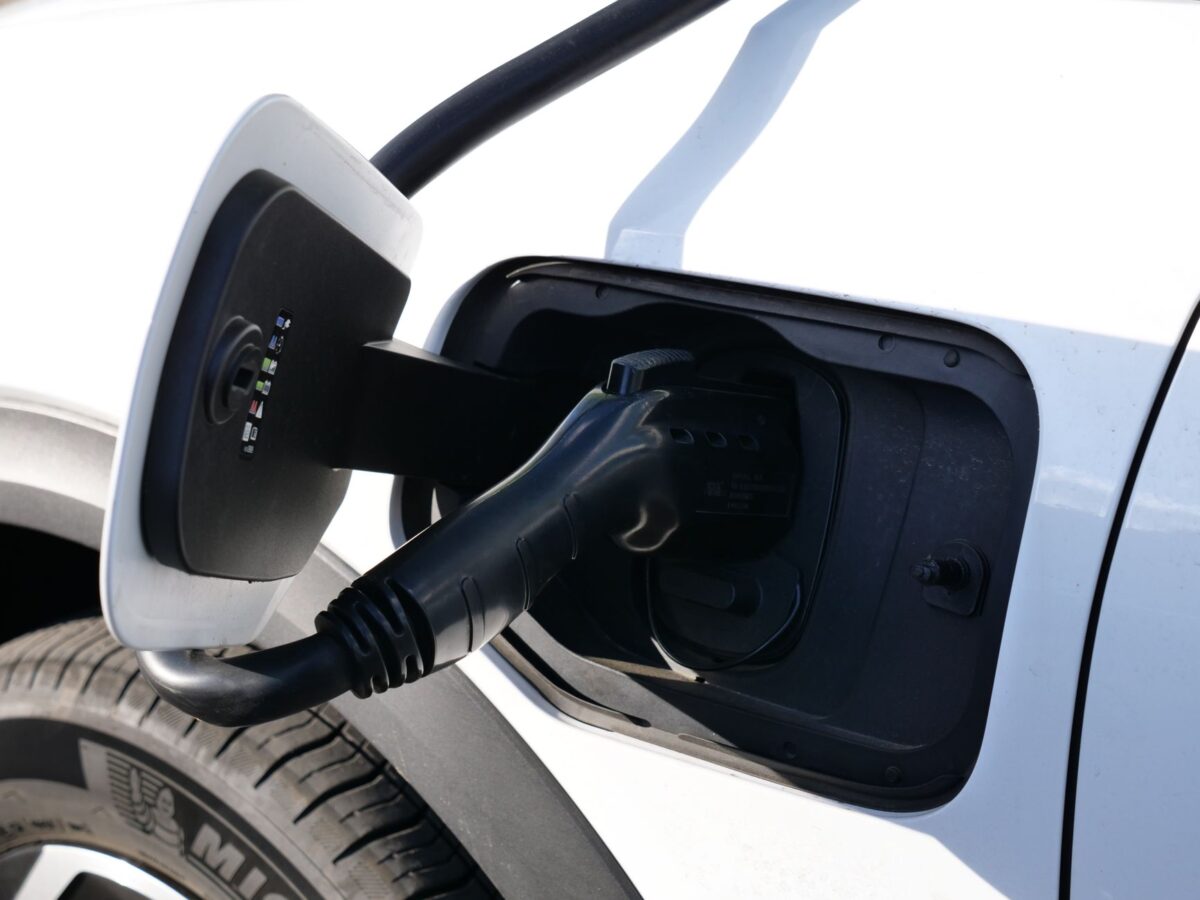
Battery warranty coverage is the manufacturer promise that protects the single most expensive part of your electric vehicle. Federal rules require every automaker selling in the U.S. to warrant the traction battery for at least 8 years or 100,000 miles, whichever comes first. That coverage matters because an out-of-warranty pack replacement in 2026 runs roughly $4,000 to $25,000 installed. For EV shoppers, the terms differ far more than the headline numbers suggest. Capacity thresholds, transferability, and commercial-use rules vary by brand. For example, a 2026 Hyundai and a 2026 Tesla both advertise strong coverage, but the fine print is not the same. Understanding your battery warranty before you buy is the cheapest protection you will ever get.
What Battery Warranty Actually Covers
Two very different failures are covered. The first is outright defect. If a module fails, a cell shorts, or the battery management system dies, the manufacturer repairs or replaces it. In most cases automakers replace individual modules, not the entire pack. The second is excessive capacity loss. Most brands guarantee the pack retains at least 70% of original usable capacity through the warranty term. Drop below that line and you get a repair at no charge.
The 70% threshold is now written into regulation, not just marketing. Under California’s Advanced Clean Cars II rules, 2026 through 2030 model year EVs must not fall below 70% state of health within 8 years or 100,000 miles. That floor rises to 75% for 2031 and later models. California also requires those vehicles to hold 70% of range for 10 years or 150,000 miles. Section 177 states including New York, Massachusetts, Vermont, Oregon, and Washington follow California rules. As a result, your battery warranty floor depends on where the car was sold. Check your state guide rather than assuming a national figure.
Coverage typically includes labor, diagnostics, software recalibration, and coolant system components tied to the pack. Hyundai and Kia extend battery warranty terms to 10 years or 100,000 miles for the original owner. Tesla covers Model 3 and Model Y packs for 8 years and 100,000 to 120,000 miles, and Model S and Model X for 8 years or 150,000 miles. Tesla coverage transfers to the next owner. Hyundai’s longest terms do not.
What It Costs in 2026
The factory battery warranty itself costs nothing. It is bundled into the purchase price of every new EV. The real money question is what happens after it expires. Retail replacement pricing in 2026 averages about $128 per kWh, with quotes commonly landing between $130 and $150 per kWh after markup and freight. Labor adds another $500 to $2,500, since certified EV technicians bill upward of $200 per hour and a pack drop takes roughly ten hours.
Translated into real packs, a small 24 to 30 kWh battery runs about $4,000 to $9,000 installed. A mid-size 40 to 60 kWh pack costs $7,000 to $14,000. A long-range 75 to 100 kWh pack lands between $10,000 and $18,000. Performance packs above 100 kWh can exceed $25,000. Remanufactured units from suppliers like Greentec Auto undercut OEM pricing by 30% to 50%, with some starting near $115 per kWh.
Extended coverage is the paid option. An EV-specific extended warranty that includes the high-voltage pack typically costs $1,500 to $4,000 for three to five additional years. Premiums once ran 40% to 60% above comparable gas-car contracts. However, as EV repair data has matured, that gap has narrowed considerably in 2026. Price drivers include pack size, battery chemistry, mileage at enrollment, and whether the contract covers the pack or only ancillary EV components.
Who Needs Battery Warranty
Every new EV buyer already has one. The decision point is whether to extend it. Used EV shoppers face the sharpest risk. A 2018 or 2019 model is already at or past the 8-year mark. Buyers of high-mileage EVs face the same problem, since the mileage cap usually arrives before the calendar limit. For example, a rideshare driver logging 40,000 miles a year burns through a 100,000-mile battery warranty in under three years.
Owners planning to keep a vehicle past 120,000 miles should look hard at extended coverage. So should anyone driving an EV with an early or discontinued chemistry, where module supply may be thin later. Owners in extreme-heat climates such as Arizona and Nevada also carry elevated degradation risk. Heat, not age, is the main driver of capacity loss.
Plenty of owners can skip paid coverage. Low-mileage drivers in mild climates rarely reach the capacity threshold before the factory battery warranty expires. Lessees almost never need it, since the term ends well inside the coverage window. Owners of vehicles sold in California and other Section 177 states already enjoy longer statutory protection. Typically, buying additional battery warranty coverage on a two-year-old EV with 20,000 miles is premature.
Common Exclusions and Mistakes
The most brutal exclusion is title status. A salvage or rebuilt title voids battery warranty coverage entirely at nearly every automaker. Flood damage is excluded almost universally, even under an extended contract. Collision damage to the pack falls to your auto policy, not the manufacturer. Fire caused by external impact is also typically excluded.
Modification is the second trap. Aftermarket battery upgrades, third-party module swaps, and tampering with the high-voltage system void coverage. So does using a non-approved DC fast charger or a damaged home charging setup in some contracts. Commercial and rideshare use is excluded or restricted by Hyundai, Kia, BMW, and Mercedes-Benz. Drivers who start doing delivery work often do not realize the coverage lapsed.
📋 Get Free Insurance Guides
Free · No spam · Unsubscribe anytime
Gradual degradation above the threshold is not a defect. If your pack sits at 76% capacity, you have lost real range and you get nothing. That surprises owners more than any other rule. Missed high-voltage system inspections and skipped coolant service can also give a manufacturer grounds to deny a claim. However, keep dated service records and most denials get reversed. Finally, transferability trips up used buyers. Confirm the battery warranty follows the car before you sign.
How to Get the Best Rate
Start by pulling the actual remaining coverage. Run the VIN through the manufacturer’s owner portal or ask any franchised dealer for a warranty status printout. It is free. Never buy an extended contract until you know what months and miles you already have.
Shop three contract types separately. Manufacturer-backed extensions, such as Tesla’s and Ford’s factory plans, are repaired at any brand dealer and typically price highest. Third-party administrators like Endurance and Empire Auto Protect run cheaper but often exclude the pack itself. Credit unions frequently sell EV service contracts at $300 to $800 below dealer pricing. Always read whether the high-voltage battery is a named covered component. Many “EV plans” cover only the drive unit and onboard charger.
Timing drives price. Enrolling before you hit 60,000 miles usually saves 20% to 30% versus signing near the factory expiration. Ask for the higher deductible tier, since a $200 deductible plan often costs $400 less than a $0 plan. Negotiate the dealer markup directly, as it commonly runs $500 to $1,000. Finally, protect the coverage you already own. Limit DC fast charging to about 20% of sessions and keep the state of charge between 20% and 80%. That habit slows degradation and helps you avoid needing a claim at all.
Frequently Asked Questions
Does my battery warranty cover normal range loss?
No, not until you cross the threshold. Most automakers only pay if usable capacity drops below 70% of original within the term. Losing 15% of your range over six years is considered normal degradation. For 2031 model year vehicles sold in California, that threshold tightens to 75%, which will trigger more approved claims.
What happens after 8 years or 100,000 miles?
You pay out of pocket. In 2026 that means roughly $128 per kWh retail, plus $500 to $2,500 in labor. A 75 kWh pack typically runs $10,000 to $18,000 installed. Remanufactured packs cut that by 30% to 50%. Module-level repair is often possible and far cheaper than full replacement.
Does the battery warranty transfer to a used EV buyer?
It depends on the brand. Tesla’s battery coverage transfers with the vehicle. Hyundai’s 10-year lifetime terms are original-owner only and drop to 10 years or 100,000 miles at title transfer. Always request a VIN warranty printout before purchase. A salvage or rebuilt title voids the coverage entirely, regardless of remaining time.
Will DC fast charging void my coverage?
Normal fast charging will not void it. Manufacturers expect public DC use and design packs accordingly. However, heavy fast charging accelerates degradation and can push you toward the threshold sooner. Damaged or non-approved charging equipment can create grounds for denial. Keeping charge between 20% and 80% preserves both range and your claim position.
Compare Ev Incentives And Ownership Costs Rates
Rates for EV incentives and ownership costs vary widely between carriers, and the specialists often beat the big
national names. Comparing several quotes is the single most reliable way to pay less.
(paid link)
Official Sources & Resources
For verified information relevant to EV owners and shoppers:
- U.S. Department of Energy – Alternative Fuels Data Center: afdc.energy.gov
- NAIC (National Association of Insurance Commissioners): naic.org
- Insurance Information Institute: iii.org
- AM Best – Insurer Financial Strength: ambest.com
Content last reviewed July 2026. If you notice any outdated information, please contact us.