Table of Contents
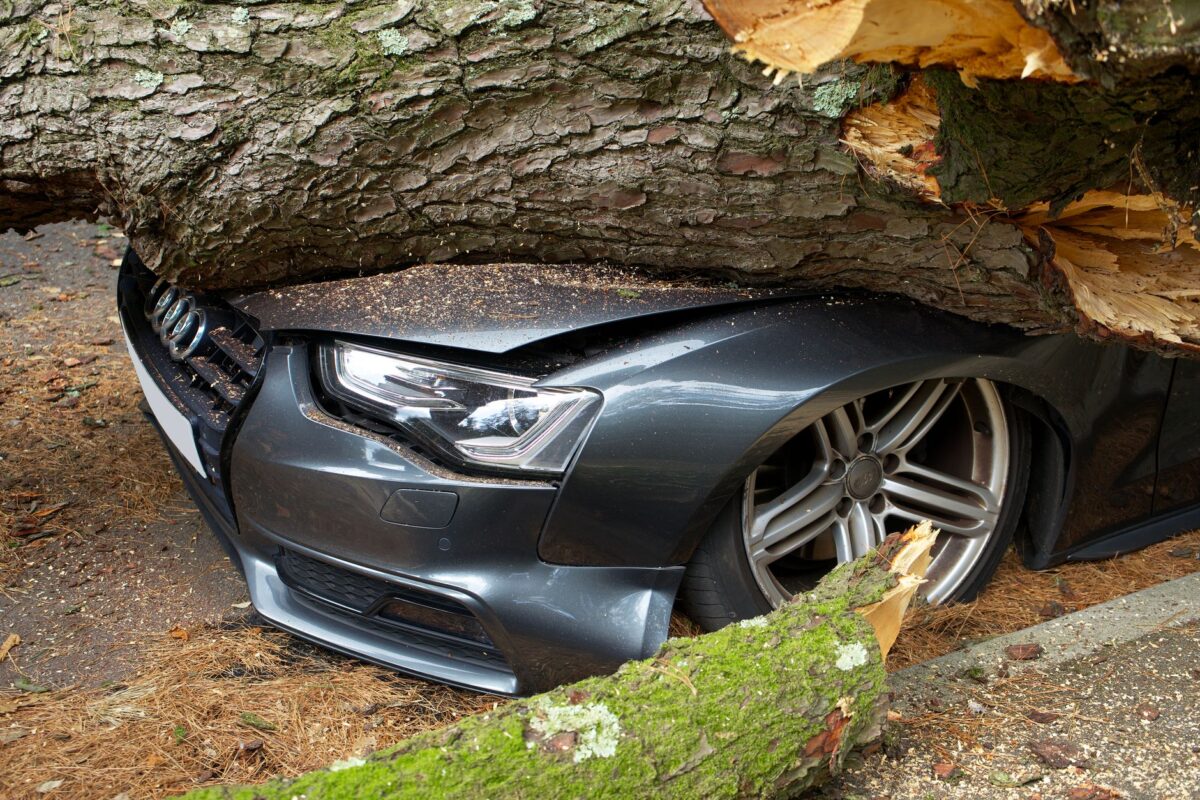
Tree damage insurance is the coverage that pays when a tree, limb, or heavy branch crashes onto your vehicle. In most cases, this protection comes from the comprehensive portion of your auto policy. Tree damage insurance handles falling objects, storms, and wind events that you cannot control.
However, it only applies if you actually carry comprehensive coverage. Drivers with liability-only policies get nothing when a tree lands on the hood. For example, a summer storm can drop a limb on a parked car in seconds. As a result, understanding how tree damage insurance works before disaster strikes can save you thousands of dollars and a lot of stress.
Does Tree Damage Insurance Cover a Fallen Tree?
Yes, tree damage insurance covers a fallen tree in nearly every case. However, the coverage lives inside comprehensive insurance, not collision or liability. Comprehensive pays for damage from events that are not crashes. For example, it covers falling objects, hail, fire, floods, and theft. According to the Insurance Information Institute, comprehensive is optional but required by most lenders. Typically, if you financed or leased your car, you already carry it.
Whose tree fell rarely changes the answer. In most cases, your own tree damage insurance pays, even if the tree came from a neighbor’s yard. You would only pursue the neighbor if they were negligent. For example, if they ignored a clearly dead, rotting tree, their homeowners liability might apply. Otherwise, insurers treat a storm-felled tree as an “act of God.” As a result, you file under your own comprehensive coverage and move on quickly.
Homeowners insurance is a separate matter. It covers your house and property, not your vehicle. Even if the tree grew in your yard, your car claim goes through auto insurance. Typically, the two policies do not overlap for vehicle repairs.
How Much Tree Damage Insurance Costs and Pays
Comprehensive coverage is surprisingly affordable. According to the Insurance Information Institute, comprehensive averages about $300 per year, or roughly $25 a month. For that price, tree damage insurance protects against a wide range of non-crash losses. However, you still pay a deductible on every claim. Deductibles typically range from $100 to $2,000, depending on your policy choices.
Here is how the math works. Your insurer pays the approved repair cost minus your deductible. For example, if a tree causes $3,000 in damage and your deductible is $500, the company pays $2,500. You cover the $500 yourself. However, if repairs cost less than your deductible, you pay the whole bill. A cracked window, for example, often runs just $100 to $400. In that case, filing may not be worth it.
| Scenario | Repair Estimate | Deductible | Insurer Pays | You Pay |
|---|---|---|---|---|
| Branch dents hood | $3,000 | $500 | $2,500 | $500 |
| Large tree crushes roof | $9,000 | $1,000 | $8,000 | $1,000 |
| Broken side window | $300 | $500 | $0 | $300 |
| Totaled vehicle | Actual cash value | $1,000 | ACV minus $1,000 | $1,000 |
If the damage is severe, the insurer may declare a total loss. Typically, this happens when repairs exceed roughly 70% to 75% of the car’s value. In that case, tree damage insurance pays the actual cash value, not what you paid originally. As a result, older cars often get “totaled” after major tree strikes. Progressive notes that comprehensive coverage handles these falling-object events up to your car’s value.
Steps to Take After a Tree Falls on Your Car
Act quickly but stay safe. First, check for injuries and downed power lines. Never touch a tree tangled in electrical wires. For example, a live line can energize the metal of your car. If anyone is hurt, call 911 right away. Typically, the fire department will help clear serious hazards.
Next, document everything. Take clear photos from multiple angles before the tree is removed. Capture the license plate, the damage, and the surrounding scene. However, do not move the car if it looks unsafe. For example, a shattered windshield can collapse when you open a door. Your tree damage insurance claim will move faster with strong photo evidence.
Then contact your insurer promptly. Report the loss and request a claim number. In most cases, the adjuster will schedule an inspection within a few days. Get a written repair estimate from a trusted body shop. As a result, you can compare it against the insurer’s offer. Finally, keep every receipt, including towing and temporary storage. Tree damage insurance often reimburses these related costs too.
Consider whether filing is smart. For example, if damage barely exceeds your deductible, a claim may raise your rate. However, comprehensive claims usually affect premiums less than at-fault collisions. Typically, a single storm claim causes only a modest increase. Weigh the repair bill against your deductible before you decide.
Frequently Asked Questions About Tree Damage Insurance
Will tree damage insurance cover a tree falling on my car during a storm?
📋 Get Free Insurance Guides
Free · No spam · Unsubscribe anytime
Yes, in most cases it will. Storm-related falling objects fall squarely under comprehensive coverage. However, you must already carry comprehensive on that vehicle, not just liability.
Does my rate go up after a tree damage claim?
Typically, comprehensive claims affect rates less than collision claims. For example, insurers view storm damage as beyond your control. As a result, one claim usually causes only a small increase.
What if the tree came from my neighbor’s yard?
In most cases, your own tree damage insurance still pays. You would only chase the neighbor if they were clearly negligent. For example, ignoring a dead, rotting tree could shift responsibility to them.
Should I file a claim for a small cracked window?
Often, no. A car window costs about $100 to $400 to replace. However, if that amount falls below your deductible, paying out of pocket makes more sense.
Compare Insurance Rates
Ready to see if you could be paying less? Compare quotes from top insurers in your area. Getting multiple quotes is the most effective way to find a better rate.
(paid link)
Official Sources & Resources
For verified information on auto insurance regulations and consumer protection:
- NAIC (National Association of Insurance Commissioners): naic.org
- Insurance Information Institute: iii.org
- Federal Trade Commission — Auto Insurance: consumer.ftc.gov
- USA.gov — Car Insurance: usa.gov/car-insurance
Content last reviewed July 2026. If you notice any outdated information, please contact us.