Table of Contents
Windshield insurance coverage is one of the most misunderstood parts of a standard auto policy. Most drivers assume any cracked glass is automatically paid for. In reality, it depends entirely on which coverages you bought. A rock chip on the highway falls under comprehensive coverage. A windshield shattered in a wreck falls under collision.
If you carry liability-only insurance, neither applies, and you pay the full bill yourself. Understanding how windshield insurance coverage works matters more in 2026 than it did a decade ago. Modern windshields hold cameras, sensors, and heating elements. As a result, a repair that once cost $200 can now approach $1,500. Knowing your windshield insurance coverage before the chip appears saves real money.
How Windshield Insurance Coverage Works on a Standard Policy
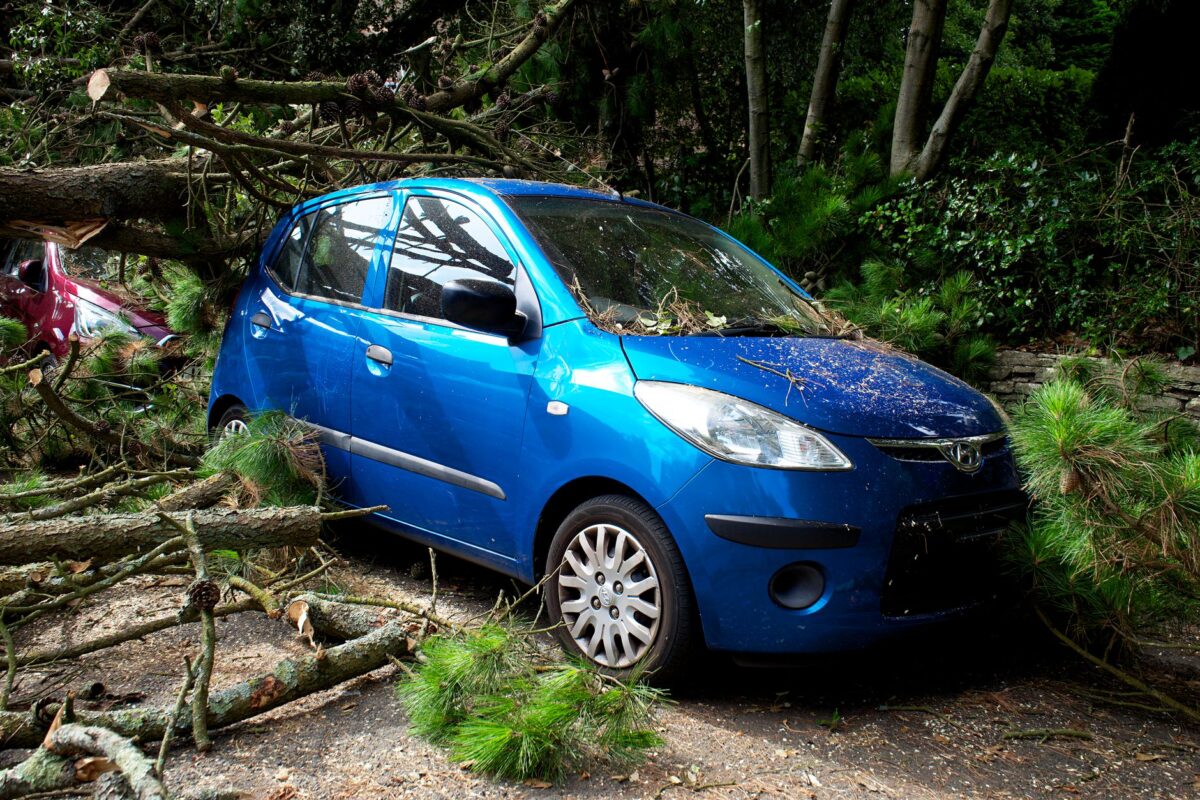
Comprehensive coverage is the piece that matters most. The Insurance Information Institute defines comprehensive as protection against damage from something other than a collision. That includes falling rocks, hail, tree limbs, vandalism, and flying road debris. Those causes account for the overwhelming majority of cracked windshields. Comprehensive is optional in every state. However, lenders and leasing companies almost always require it.
Collision coverage handles the other scenario. If you hit a guardrail or another car and the glass breaks, collision pays. For example, a deer strike is comprehensive, but rear-ending a truck is collision. Typically the comprehensive deductible is lower, so the distinction affects your out-of-pocket cost.
Liability coverage never pays for your own windshield. It only pays for damage you cause to other people. In most cases, drivers who dropped comprehensive to save money discover this at the worst moment. Windshield insurance coverage simply does not exist on a liability-only policy. If another identified driver caused the damage, their property damage liability may pay instead. Proving that on a highway rock strike is rarely possible.
One more wrinkle matters. Many insurers waive the deductible entirely for a chip repair, even when full replacement would trigger it. Progressive, for example, charges no deductible on repairs for comprehensive policyholders. That waiver exists because repairs are far cheaper than replacements.
What a Cracked Windshield Costs to Repair or Replace
Cost drives the entire decision. A resin chip repair typically runs $60 to $160 and takes about 30 minutes. A basic replacement on an older vehicle runs $250 to $400. However, vehicles with advanced driver assistance systems change the math completely. Cameras mounted behind the glass must be recalibrated after installation. That recalibration alone adds roughly $200 to $700.
| Vehicle example | Typical 2026 replacement cost |
|---|---|
| 2015 Honda Civic, aftermarket glass | $325 – $450 |
| 2021 Toyota RAV4 with lane-departure camera | $550 – $800 |
| 2023 Ford F-150, heated glass and rain sensor | $650 – $900 |
| 2022 BMW X5 with head-up display, OEM glass | $1,000 – $1,500 |
Compare those figures to your deductible. A $500 comprehensive deductible is the industry benchmark, though policies range from $100 to $1,000. On a $400 replacement with a $500 deductible, filing a claim returns nothing. On a $1,200 ADAS replacement, windshield insurance coverage saves you $700. That gap is exactly why glass endorsements have grown popular.
Premiums have climbed alongside repair costs. The NAIC reported average comprehensive premiums rose 21.31% in 2023, while the average total auto expenditure hit $1,281.60. Full glass coverage, sometimes sold as a zero-deductible endorsement, usually costs a modest amount per vehicle each year. For a car with cameras in the glass, that endorsement often pays for itself after a single claim. Adding windshield insurance coverage as an endorsement is cheapest at renewal, not after damage occurs.
States With Zero-Deductible Glass Rules
Three states mandate free windshield replacement. Florida, Kentucky, and South Carolina all bar insurers from applying a deductible to a windshield claim when the driver carries comprehensive coverage. In those states, windshield insurance coverage effectively becomes automatic glass coverage. You still need comprehensive on the policy first.
Arizona works differently and confuses many drivers. Insurers there must offer zero-deductible glass coverage. However, you must actively elect it. Skip the election and your normal deductible applies. Several other states also require insurers to offer the option rather than include it. Because the rules vary, check your declarations page rather than trusting a general article.
Florida added a twist in 2023. State law ended assignment of benefits for auto glass claims. As a result, repair shops can no longer take over your claim in exchange for free windshields and gift cards. Drivers now file directly with their insurer. That change cut aggressive glass-shop solicitation sharply.
Rate impact worries many drivers, but the concern is usually overblown. A single glass claim rarely moves your premium. Progressive reports single comprehensive claims typically produce a 0% to 5% adjustment at renewal. Some carriers, including USAA and Farmers, generally do not surcharge a first glass claim at all. Filing several claims in one policy period is a different story. Frequency, not a single windshield, triggers most increases.
How to Decide and File Your Windshield Claim
Start by measuring the damage. Cracks under three inches are usually repairable. Damage between three and six inches depends on depth and location. Anything longer than six inches typically requires replacement. Cracks reaching the edge of the glass compromise structural integrity, so shops almost always replace them. Damage in the driver’s direct line of sight also warrants replacement, because resin leaves slight distortion.
Act quickly. Temperature swings, potholes, and car washes spread small chips within days. For example, a $90 repair on Monday can become a $900 replacement by Friday. Cover the chip with clear tape, avoid blasting the defroster, and park in shade until service.
Then follow these steps:
📋 Get Free Insurance Guides
Free · No spam · Unsubscribe anytime
1. Pull your declarations page and confirm you carry comprehensive, then note the exact deductible.
2. Get two written quotes, and ask specifically whether ADAS recalibration is included.
3. Compare the quote to your deductible before calling the carrier.
4. If a claim makes sense, file through the insurer’s glass line or app, not through a shop soliciting you.
5. Confirm the shop uses glass meeting NHTSA’s Federal Motor Vehicle Safety Standards, specifically FMVSS No. 205 for glazing.
6. Ask for written proof that recalibration was completed and passed.
Finally, respect the adhesive cure time. Most installers require roughly one hour of safe drive-away time before the vehicle is road-ready. Your windshield is a structural component supporting the roof and passenger airbag, so shortcuts here are genuinely dangerous.
Frequently Asked Questions
Will my insurance rates go up if I file a windshield claim?
Usually not for a single claim. Glass losses are no-fault comprehensive claims, and most carriers treat them leniently. However, filing three or four claims in a short period can affect renewal pricing.
Can I get a free windshield replacement in my state?
Only in Florida, Kentucky, and South Carolina, and only with comprehensive coverage. In Arizona, you must elect the zero-deductible option first. Everywhere else, windshield insurance coverage applies your standard deductible unless you bought a glass endorsement.
Is it illegal to drive with a cracked windshield?
It can be. Federal rules require an unobstructed view of the road, and many states cite cracks in the wiper-swept area. For example, a crack in your line of sight can fail a state safety inspection.
Does windshield insurance coverage include side and rear windows?
Comprehensive covers all auto glass, including side windows, rear glass, and sunroofs. However, side and rear glass cannot be resin-repaired, since it shatters into pellets. As a result, those claims always mean full replacement.
Compare Insurance Rates
Ready to see if you could be paying less? Compare quotes from top insurers in your area. Getting multiple quotes is the most effective way to find a better rate.
(paid link)
Official Sources & Resources
For verified information on auto insurance regulations and consumer protection:
- NAIC (National Association of Insurance Commissioners): naic.org
- Insurance Information Institute: iii.org
- Federal Trade Commission — Auto Insurance: consumer.ftc.gov
- USA.gov — Car Insurance: usa.gov/car-insurance
Content last reviewed July 2026. If you notice any outdated information, please contact us.