Table of Contents
Interior water damage is one of the most misunderstood auto insurance claims in America. A single storm can soak your carpet, seats, wiring harness, and control modules in minutes. Most drivers assume their policy handles it automatically. However, that assumption is only correct if you carry one specific coverage.
Comprehensive insurance is the only auto coverage that pays for flood and water losses. Liability and collision will not help you. As a result, thousands of drivers each hurricane season discover their gap far too late. This guide explains exactly when interior water damage is covered, what it costs to fix, and how insurers decide whether your car is repairable or totaled. Understanding interior water damage rules before a storm hits can save you thousands.
Which Coverage Actually Pays for Water Inside Your Car
Comprehensive coverage — sometimes called “other than collision” — handles non-crash losses. That includes flooding, storm surge, hail, falling trees, fire, and theft. According to the Insurance Information Institute, comprehensive is optional in every state. Lenders and leasing companies usually require it. If you own your car outright and dropped comprehensive to save money, water losses come out of your pocket.
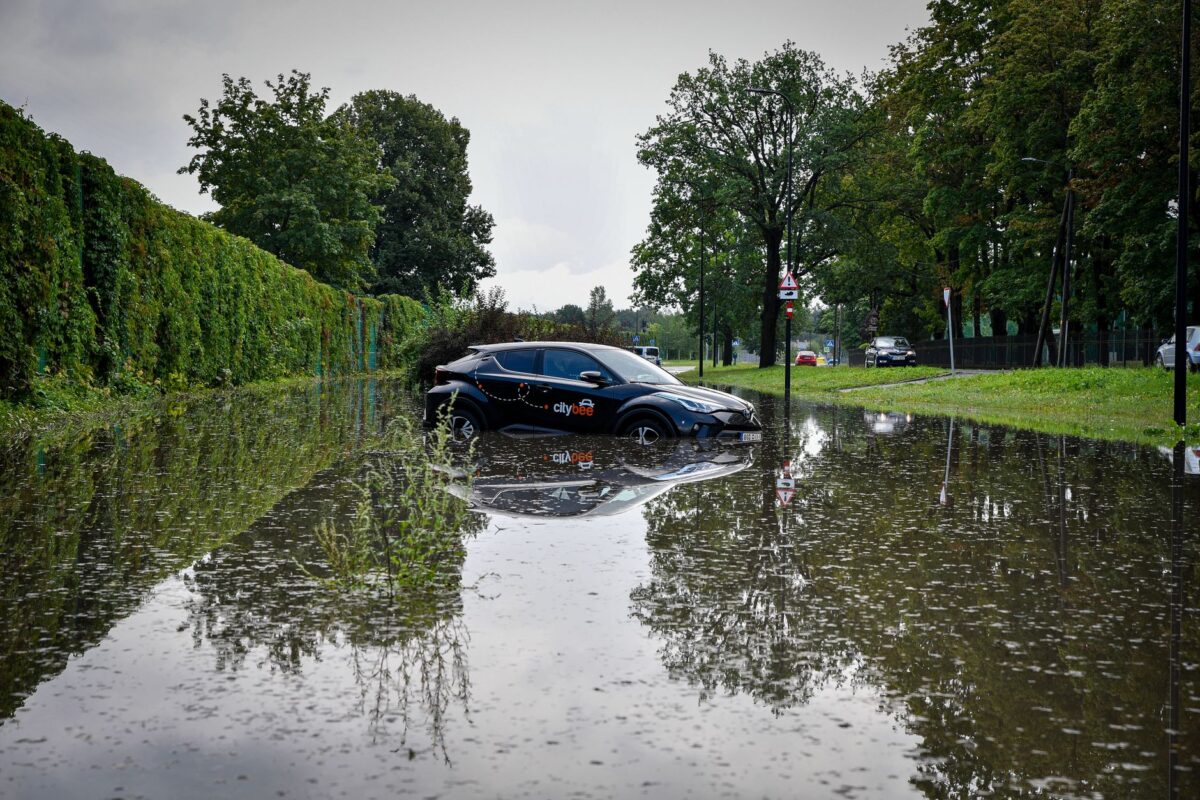
Collision coverage does not apply here. Collision pays when you hit an object or another vehicle. Driving into standing water is generally treated as a comprehensive loss, not a collision. For example, if you drive through a flooded underpass and water enters the cabin, comprehensive typically responds. In most cases, the insurer will not deny the claim simply because you chose to drive through water.
Coverage also depends on the source. Rising floodwater, heavy rain through a bad sunroof seal, or a broken window during a hailstorm are usually covered events. However, a leaky windshield seal that failed slowly over two years is different. Insurers classify that as wear, maintenance neglect, or a manufacturing defect. Gradual interior water damage from deferred maintenance is almost always excluded.
What Interior Water Damage Costs to Repair
Costs vary enormously based on how deep the water rose and how long it sat. Water above the seat cushions is far more serious than a damp floor mat. Interior water damage that reaches wiring under the seats or the floor-mounted control modules escalates fast. Typically, professionals price the job by severity tier.
| Severity | Typical Damage | Estimated Cost |
|---|---|---|
| Minor | Damp carpet, light odor, DIY drying | $50 – $200 |
| Moderate | Professional detail, ozone treatment, mold removal | $200 – $800 |
| Serious | Carpet and padding removal, full remediation | $1,450 – $2,200 |
| Severe | Wiring harness, modules, airbag sensors, seats | $5,000+ or total loss |
Professional mold jobs usually take three to six hours. Severe cases need extended drying plus ozone treatment. However, the real cost driver is electronics. Modern vehicles carry dozens of modules, and many sit low in the cabin. Body control modules, airbag sensors, and seat occupancy sensors are frequently mounted under carpet. Corrosion from interior water damage can appear months after the water is gone.
Your deductible applies to every claim. Comprehensive deductibles commonly run $250, $500, or $1,000. If your interior water damage repair estimate is $600 and your deductible is $500, filing may not be worth it. For context, the average comprehensive claim reached roughly $2,738 in 2022, up nearly $1,000 from 2019. Comprehensive coverage itself averages about $19 per month with a $500 deductible.
How Insurers Decide Between Repair and Total Loss
Adjusters compare repair cost to actual cash value, or ACV. ACV is what your car was worth right before the loss, minus depreciation. Each state sets a total loss threshold, generally between 60% and 100% of ACV. If repairs cross that line, the insurer declares a total loss. Flooded vehicles cross it quickly because electrical repairs are expensive and hard to guarantee.
When a car is totaled, the insurer pays ACV minus your deductible and takes the title. That title is then branded. Branding is permanent under the National Motor Vehicle Title Information System, run by the U.S. Department of Justice. Once a state marks a vehicle “flood” or “salvage,” the record follows the VIN nationwide. NMVTIS consumer reports typically cost between $3.49 and $10.
Scale matters here. The National Insurance Crime Bureau reported more than 637,000 vehicles damaged by Hurricanes Harvey and Irma alone. Irma generated over 215,000 Florida vehicle claims. NICB’s free VINCheck tool draws on insurers representing about 88% of the personal auto market. Some flooded cars get cleaned up, retitled in lax states, and resold as clean. That fraud is called title washing.
Steps to Take After Interior Water Damage
Act fast. Mold can begin growing within 24 to 48 hours in a damp cabin. Do not start the engine if water reached the dashboard or seats. Cranking a hydrolocked engine turns a repairable claim into a destroyed motor.
Follow these steps in order:
1. Document everything. Photograph the water line on the door panels, seats, and carpet before you remove anything. Adjusters use that line to judge depth.
2. Call your insurer immediately. Most policies require prompt notice. After a major storm, catastrophe teams process claims in the order received.
3.
Ventilate, do not drive. Open doors and windows if weather allows. Pull floor mats out. Towel up standing water.
4. Get a professional inspection. A mechanic should check the oil dipstick for a milky appearance and inspect fuse boxes for corrosion.
5. Keep every receipt. Towing, drying equipment rental, and rental cars may be reimbursable.
📋 Get Free Insurance Guides
Free · No spam · Unsubscribe anytime
Understand what your policy will not pay for. Personal belongings inside the car — laptops, tools, car seats, golf clubs — are not covered by auto insurance. Those fall under homeowners or renters insurance, subject to that separate deductible. Also remember that interior water damage claims are chargeable in many states. Insure.com data indicates a comprehensive claim raises rates about 21%, or roughly $554 per year, though most surcharges drop off within three to five years.
Finally, prevention beats claims. Move your vehicle to higher ground before a named storm arrives. Never drive through moving water. Ready.gov notes that just 12 inches of moving water can carry away most cars. Check your sunroof drain tubes and door seals annually. Clogged drains are a leading cause of unexplained interior water damage that insurers routinely deny as maintenance.
Frequently Asked Questions
Will my rates go up if I file a water damage claim?
Usually yes, though less than for an at-fault crash. Comprehensive claims raise premiums roughly 21% on average. However, some states restrict surcharges for weather-related losses, and many insurers waive the increase after a declared catastrophe.
Does insurance cover water damage from a leaky sunroof or windshield?
Typically not. Insurers treat slow leaks as maintenance problems, not sudden accidental losses. However, if a covered event like hail cracked the glass first, the resulting interior water damage is generally covered.
Can I keep my car if it is declared a flood total loss?
In most cases, yes. You can request an owner-retained settlement, where the insurer deducts the salvage value from your payout. As a result, you receive less money and a branded title, which sharply reduces resale value.
How long do I have to report interior water damage?
Policies require notice “as soon as practicable,” and most insurers expect contact within days. However, the underlying legal deadline is set by your state’s contract statute of limitations. Report promptly regardless, because delay makes proving the cause much harder.
Compare Insurance Rates
Ready to see if you could be paying less? Compare quotes from top insurers in your area. Getting multiple quotes is the most effective way to find a better rate.
(paid link)
Official Sources & Resources
For verified information on auto insurance regulations and consumer protection:
- NAIC (National Association of Insurance Commissioners): naic.org
- Insurance Information Institute: iii.org
- Federal Trade Commission — Auto Insurance: consumer.ftc.gov
- USA.gov — Car Insurance: usa.gov/car-insurance
Content last reviewed July 2026. If you notice any outdated information, please contact us.