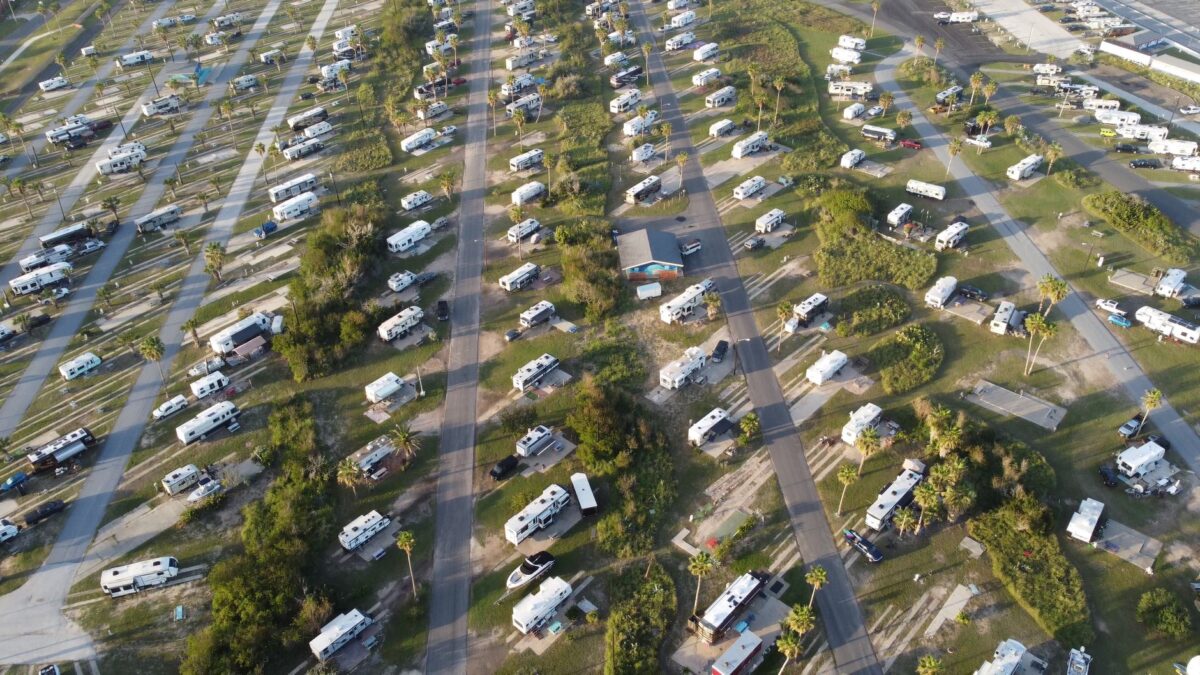
RV roadside assistance is a membership or insurance endorsement that pays for towing, tire changes, jump starts and mobile mechanics when your rig quits on the shoulder. It matters far more to RV owners than to car owners for one reason: weight. A tow truck that handles a sedan cannot lift a 30,000-pound diesel pusher. Most standard motor club plans exclude vehicles over 10,000 pounds outright. That single line in the fine print strands thousands of RVers every summer. Heavy-duty tows for Class A coaches run $700 to $1,500 for under 25 miles in 2026. A 200-mile tow on a 28,000-pound diesel pusher can hit $2,500. A $79 annual plan covers that. Your credit card covers it too, just painfully.
What RV Roadside Assistance Actually Covers
The core benefit is unlimited-distance towing to the nearest qualified service center. Coach-Net and Good Sam both write it this way. There is no mileage cap and no dollar cap on the tow itself. However, “nearest qualified” is the operative phrase. You do not get to pick a shop 300 miles away because you like the technician there.
Beyond towing, RV roadside assistance covers tire changes using your own inflated spare, battery jump starts, lockout service, and emergency fuel or fluid delivery. Many RVs carry no spare at all. For example, most travel trailers ship without one. In that case the plan dispatches a mobile tire tech, though you pay for the tire itself.
RV-specific plans add benefits that auto clubs never touch. Coach-Net includes technical assistance for RV “house” systems, meaning slide-outs, leveling jacks, generators and awnings. Typically a certified RV tech talks you through the fix by phone. Good Sam’s Platinum Complete tier layers on tire and wheel road hazard protection plus emergency travel and medical assistance. As a result, the better RV roadside assistance plans function as a full breakdown service, not just a tow line.
What It Costs in 2026
Pricing splits into three tiers. Standalone RV motor clubs sit at the top. Coach-Net Premier Coach runs $249 per year for motorized RVs. Premier Towable is $179 for travel trailers and fifth wheels. Coach-Net raised rates recently, and members noticed. Good Sam undercuts them badly: the Standard plan is $64.95, the Platinum plan is $79.95, and Platinum Complete lists at $239.95 before its frequent 50% promotions and $10 auto-renewal discount.
The middle tier is your insurance carrier’s endorsement. Progressive sells roadside assistance for RVs, motorcycles and boats at roughly $10 to $100 per year depending on state and vehicle. GEICO’s roadside coverage starts near $14 per vehicle annually. These are cheap because they are thin. Read the weight language before assuming your Class A qualifies.
The bottom tier is AAA. Plus RV membership gives 100 miles of towing. Premier RV gives one 200-mile tow annually plus three 100-mile tows. Anything past those limits you pay the tow contractor directly, in cash, at the scene. AAA does not publish a national pound limit, because regional clubs set their own equipment standards. Weight caps and RV eligibility vary by club and by state, so check your specific state guide rather than trusting a national figure.
Who Needs RV Roadside Assistance
Anyone driving a Class A motorhome needs it. Full stop. Class A coaches typically run 20,000 to 35,000 pounds and require a heavy wrecker with proper air-brake and driveline knowledge. Fifth-wheel owners are in the same position, especially toy haulers pushing 18,000 pounds loaded. In most cases the general-purpose tow operator who answers a 911 dispatch is not equipped for these rigs.
Snowbirds and full-timers get the most value per dollar. If you put 8,000 miles a year on a coach, a single roadside event pays for a decade of premiums. Owners who tow a dinghy vehicle behind a motorhome also need RV roadside assistance that explicitly covers the towed car, because many plans treat it as a separate vehicle requiring a separate tow.
Some owners can skip a standalone club. If you own a small teardrop or a 3,000-pound pop-up and you already carry roadside coverage on the truck that pulls it, you may be adequately covered. However, verify that the endorsement follows the trailer, not just the truck. Weekend campers who stay within 100 miles of home may also find AAA Plus RV sufficient, since the tow limit is unlikely to be exceeded.
Common Exclusions and Mistakes
The weight cliff is the number one surprise. Standard motor club plans and many auto-insurer endorsements exclude vehicles over 10,000 pounds GVWR. That knocks out virtually every Class A and a large share of Class C rigs. Some providers tier explicitly by weight: Open Roads, for example, sells one plan for RVs at 26,000 pounds and under, and a separate plan for RVs between 26,000 and 50,000 pounds. Buying the wrong tier is the same as buying nothing.
Length and class exclusions bite next. Plans may cap covered length at 40 or 45 feet. Off-road and unimproved-surface exclusions catch boondockers constantly. If your rig sinks into soft ground at a dispersed campsite, that is recovery, not towing, and recovery is usually excluded or capped. Heavy wreckers and rotators charge $250 to $500 per hour for that work, and rotator rates climb far higher.
📋 Get Free Insurance Guides
Free · No spam · Unsubscribe anytime
Two more traps. First, waiting periods: most RV roadside assistance memberships impose 3 to 7 days before benefits activate, so buying it from the shoulder of I-80 does not work. Second, some states levy mandatory fees for heavy wrecker responses on limited-access highways, adding $500 to $2,000 separate from the tow invoice. These fees vary by state; check your state guide for the specific schedule.
How to Get the Best Rate
Buy multi-year. Both major RV roadside assistance providers discount two- and three-year terms meaningfully, and Good Sam applies a $10 auto-renewal credit on top. Good Sam also runs recurring 50% promotions on Platinum Complete, which drops a $239.95 plan near $120. Timing your purchase to a promotional window is the single easiest saving.
Stack memberships you already hold. Good Sam Club membership itself runs about $30 per year and unlocks lower roadside pricing plus campground discounts. Many RV dealers bundle a free first year of Coach-Net with a new coach purchase, so ask before you pay separately. Similarly, some manufacturers include one year of RV roadside assistance in the factory warranty package.
Finally, match the plan to the rig instead of buying the top tier reflexively. A towable owner paying $249 for Premier Coach is wasting $70 a year; Premier Towable at $179 covers the same trailer. Conversely, do not save $170 by choosing a plan that caps at 10,000 pounds when your coach weighs 28,000. Typically the cheapest adequate plan beats both the cheapest plan and the most expensive one.
Frequently Asked Questions
Will my plan tow both my motorhome and the car I flat-tow behind it?
Not always. Many RV roadside assistance plans treat the dinghy vehicle as a separate covered unit, and some charge for a second tow. Coach-Net and Good Sam generally cover both if the towed car is listed on the membership. Add it explicitly when you enroll. Otherwise you may be paying $150 or more out of pocket for the second vehicle.
What happens if my RV is too heavy for the tow truck that shows up?
The dispatcher must send a second, heavier wrecker, and you wait. This is why weight matters at enrollment. A quality provider verifies your rig’s GVWR when you sign up and dispatches accordingly. If you bought a 10,000-pound-limit plan and your coach weighs 28,000, the provider can deny the claim entirely and leave you paying the heavy-duty rate directly.
Does RV roadside assistance cover a blown tire if I have no spare?
The service call is covered; the tire is not. Most RV roadside assistance plans dispatch a mobile tire technician to your location, but you pay retail for the replacement tire and often a road-service surcharge. Good Sam’s Platinum Complete tier adds tire and wheel road hazard protection, which can reimburse the tire itself. Coach-Net Premier members get up to 15% off commercial tires.
Can I use it the same day I buy it?
No. Nearly every provider imposes a waiting period, commonly 3 to 7 days from enrollment, specifically to prevent breakdown-day sign-ups. For example, buying coverage while sitting disabled on the interstate will not produce a covered tow. Enroll before your season starts. In most cases the effective date appears on your confirmation email, so verify it before you leave.
Compare Rv Insurance Rates
Rates for RV insurance vary widely between carriers, and the specialists often beat the big
national names. Comparing several quotes is the single most reliable way to pay less.
(paid link)
Official Sources & Resources
For verified information relevant to RV owners:
- Federal Motor Carrier Safety Administration (FMCSA): www.fmcsa.dot.gov
- NAIC (National Association of Insurance Commissioners): naic.org
- Insurance Information Institute: iii.org
- AM Best – Insurer Financial Strength: ambest.com
Content last reviewed July 2026. If you notice any outdated information, please contact us.