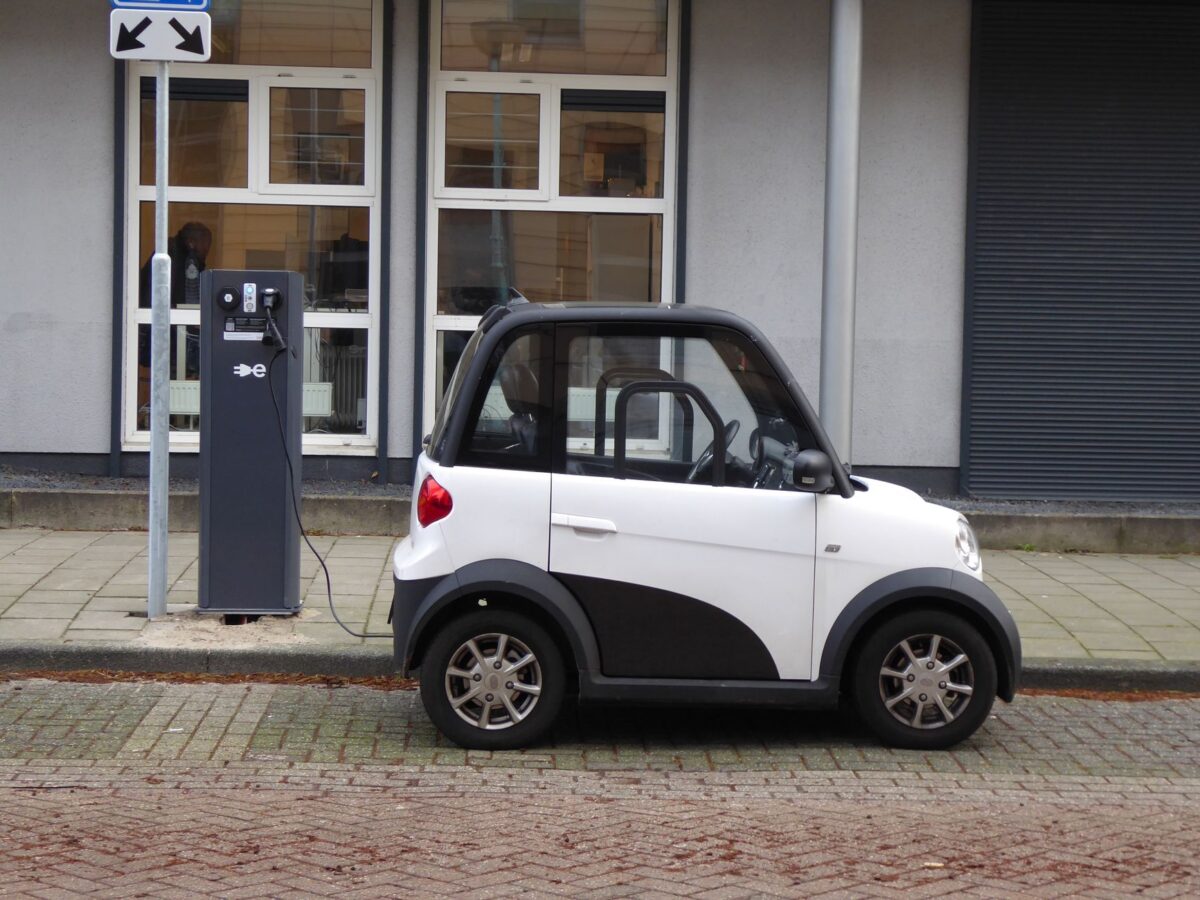
EV cold weather performance is the single biggest surprise new electric vehicle owners report in their first winter. Below freezing, an EV does not just feel slower to charge — it genuinely delivers fewer miles per kilowatt-hour. Recurrent’s 2025–26 winter study of more than 30,000 U.S. vehicles found the average EV retains about 78% of its maximum range at 32°F. That is a 22% haircut. At 20°F with full cabin heat running, losses commonly reach 30%. Understanding EV cold weather behavior matters because it changes three things at once: your usable range, your charging speed, and your monthly energy bill. For example, a 250-mile EV can behave like a 175-mile EV in January.
What EV Cold Weather Actually Covers
Two separate mechanisms drive EV cold weather range loss. First, lithium-ion chemistry slows down. Ions move less freely, so the pack delivers less usable energy and accepts less power. Second, cabin heating draws directly from the traction battery. There is no waste engine heat to recycle. Above roughly 14°F, cabin heating is the dominant factor for everyday driving. Below that, battery chemistry takes over as the larger drag.
Hardware matters enormously here. A resistive heater can pull 5 to 7 kW at startup. A heat pump does the same job for a fraction of that. In Recurrent’s model-level data, the Tesla Model X retained 89% of range in freezing conditions. The U.S. VW ID.4 without a heat pump retained just 63%. That 26-point spread is not driving style. It is equipment.
Charging is the third piece of EV cold weather that owners underestimate. At 32°F, a cold pack accepts roughly 36% less energy over the same session than it would at 77°F. Near 20°F, arriving with a cold-soaked battery can cut fast-charging speed by half or more. Typically, the fix is preconditioning — warming the pack before you plug in.
What It Costs in 2026
Start with the baseline. Home charging in 2026 runs about $0.12 to $0.18 per kWh in most states, which works out to roughly $0.03 to $0.05 per mile. DC fast charging is far pricier. Tesla Superchargers average around $0.42/kWh, EVgo about $0.44/kWh, and Electrify America roughly $0.48/kWh at non-member rates. Peak-hour urban sessions can exceed $0.60/kWh. Rates vary sharply by state and utility, so check your state guide rather than assuming a national figure.
Now apply the EV cold weather penalty. If summer efficiency is 3.7 mi/kWh, harsh winter conditions push it to 2.5–3.0 mi/kWh. As a result, cost per mile climbs 20% to 40% for the coldest three or four months. For a 1,000-mile month on home power at $0.15/kWh, that is roughly $40 in summer versus $55 in deep winter. Fast-charge that same month and the gap widens to well over $100.
Purchase incentives changed materially. The federal $7,500 Section 30D credit and the $4,000 used-EV Section 25E credit both expired September 30, 2025. In most cases, 2026 buyers get nothing federal. State programs carry the load now. Colorado, for example, offers a $750 state tax credit up to an $80,000 MSRP, plus $2,500 more under $35,000. Vehicle Exchange Colorado rebates rose to $9,000 new and $6,000 used as of November 3, 2025.
Who Needs EV Cold Weather Planning Most
Anyone living north of roughly the 40th parallel should plan around EV cold weather from day one. That means the Upper Midwest, New England, the Mountain West and the northern Plains. If you commute more than 60 miles round trip and park outdoors overnight, the effect compounds. A cold-soaked pack in an unheated driveway starts every trip at a disadvantage.
Apartment and street-parking owners feel EV cold weather hardest. Without an overnight Level 2 plug, you cannot precondition on grid power. Preconditioning while plugged in is the only method that costs you no driving range. Unplugged, warming the cabin and pack simply spends battery you wanted for the commute. Typically, these drivers should shop specifically for heat-pump-equipped trims.
Some owners can largely skip the worry. If you drive under 30 miles a day, garage the car, and charge at home nightly, a 25% winter dip is invisible. Southern-state owners in Florida, Texas or Arizona rarely see sustained sub-freezing temperatures. However, even mild-climate owners should understand EV cold weather before planning a January road trip north.
Common Exclusions and Mistakes
The biggest misconception is warranty coverage. Federal rules require manufacturers to warrant the traction battery for at least 8 years or 100,000 miles. GM, Chevrolet and Cadillac pair that term with a 70% capacity guarantee. However, that warranty covers excessive permanent degradation — not temporary EV cold weather range loss. Winter range drops are reversible and normal. No manufacturer will replace a pack because it delivered 180 miles in February and 250 in June.
Warranties also commonly exclude damage from improper charging, unauthorized modifications and extreme environmental exposure. Repeatedly fast-charging a frozen pack without preconditioning is hard on cells over time. It rarely triggers a denied claim on its own, but it accelerates real degradation. Most packs still retain 70% to 80% of capacity at 100,000 miles, so genuine warranty claims are uncommon.
📋 Get Free Insurance Guides
Free · No spam · Unsubscribe anytime
The second costly mistake is trip planning on EPA numbers. EPA range is measured in moderate conditions. Planning a winter drive at 100% of rated range strands people. For example, a 300-mile rated EV at 20°F may realistically deliver 190 miles with heat on and highway speeds. Budget 65% of rated range below 20°F, and always arrive at chargers with a 15% buffer.
How to Get the Best Rate
Buy the heat pump. It is the highest-leverage EV cold weather decision available. Heat pumps roughly halve heating-related range loss. Testing shows a Model 3 with a heat pump losing about 13% versus 21% without one. On many models it is a trim-level or package option costing a few hundred dollars. It pays back in winter energy alone within a few seasons.
Next, precondition while plugged in, every single time. Warming the cabin and pack on grid power rather than battery power has recovered a confirmed +12.3 miles in real-world testing. Preconditioning generally recovers 20% to 30% of cold-weather range loss. Also precondition before DC fast charging — a warm pack accepts full rated power immediately instead of ramping slowly.
Finally, control the energy price itself. Enroll in your utility’s EV time-of-use rate; off-peak overnight windows often run half the standard residential rate. Charge to 80% daily rather than 100%. Use seat and steering-wheel heaters instead of cabin heat, since they draw far less power. Stack local charger rebates too — Denver’s Climate Action Rebate program contributes up to $200 toward a Level 2 home installation. Charger rebate amounts vary widely by state and utility, so consult your state guide.
Frequently Asked Questions
Does EV cold weather range loss permanently damage the battery?
No. Cold temperatures reduce available range temporarily, but they do not permanently harm the pack. Capacity returns as temperatures rise. The one real risk is repeated DC fast charging of a deeply cold-soaked battery, which accelerates long-term wear. Preconditioning before fast charging eliminates most of that concern. Normal EV cold weather driving is not a warranty or longevity issue.
How much range should I expect to lose at 20°F versus 32°F?
At 32°F, plan on roughly 20% to 22% loss based on Recurrent’s 30,000-vehicle dataset. At 20°F with full cabin heating, average loss climbs toward 30%, and some resistive-heat models exceed 40%. Heat-pump vehicles land at the favorable end of that range. Model-level results vary from 89% retention down to 63%, so check your specific vehicle.
Is there still a federal tax credit to offset winter EV running costs in 2026?
No. The $7,500 new-EV credit and $4,000 used-EV credit both ended September 30, 2025. The only exception is a written binding contract with qualifying payment made on or before that date. State programs are now the main source of savings. Colorado offers $750 to $3,250 in tax credits plus VXC rebates up to $9,000; amounts vary by state.
Why does my EV charge so slowly at the fast charger in winter?
A cold battery physically cannot accept high current safely, so the car limits power. At 32°F, packs accept roughly 36% less energy per session than at 77°F. Near 20°F, speeds can halve. Navigate to the charger using your car’s built-in routing, which triggers automatic battery preconditioning. A warm pack typically reaches full rated charging speed within minutes.
Compare Ev Incentives And Ownership Costs Rates
Rates for EV incentives and ownership costs vary widely between carriers, and the specialists often beat the big
national names. Comparing several quotes is the single most reliable way to pay less.
(paid link)
Official Sources & Resources
For verified information relevant to EV owners and shoppers:
- U.S. Department of Energy – Alternative Fuels Data Center: afdc.energy.gov
- NAIC (National Association of Insurance Commissioners): naic.org
- Insurance Information Institute: iii.org
- AM Best – Insurer Financial Strength: ambest.com
Content last reviewed July 2026. If you notice any outdated information, please contact us.