Table of Contents
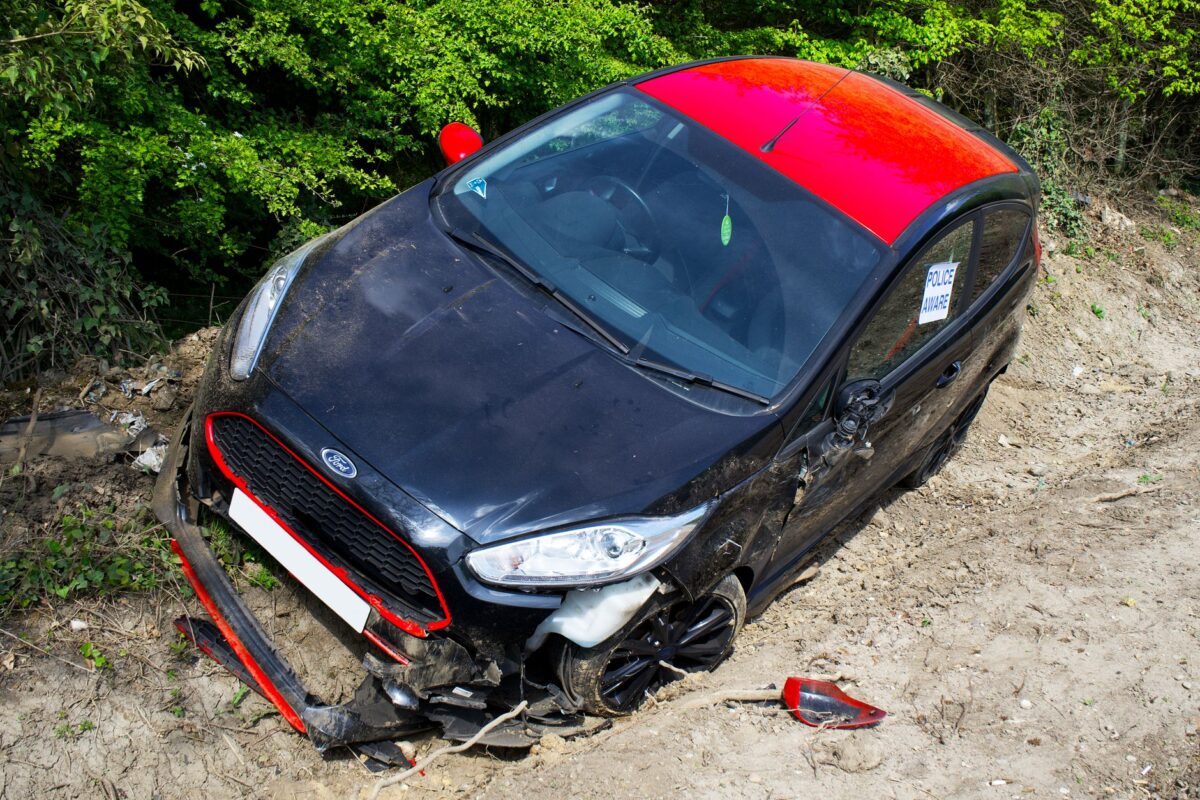
A single car accident is any crash that involves only your vehicle. You might slide on ice and hit a guardrail. You might clip a mailbox while backing out. You might swerve to miss a deer and land in a ditch. No other driver is involved, so there is no one else’s insurer to send the bill to.
Your own policy has to pay. Whether it does depends on the coverage you chose. Many drivers find out too late that liability insurance alone pays nothing for their own car after a single car accident. These crashes are also common and serious. The Insurance Institute for Highway Safety (IIHS) reports that roughly half of passenger vehicle occupant deaths each year happen in single-vehicle crashes. This guide covers which coverages apply, what you can expect to pay, and how to file a claim.
Which Coverage Pays for a Single Car Accident?
The coverage that matters most is collision. Collision pays to repair or replace your car after it hits another object or rolls over. That object can be a tree, a pole, a curb, a fence, or a building. It also covers potholes in most cases. Collision coverage is optional under state law. However, if you lease your car or have a loan, your lender almost always requires it.
Liability insurance works differently. Nearly every state requires it. However, it only pays for damage and injuries you cause to other people. In a single car accident, liability will not fix your car. It may still help, though. For example, if you crash into a neighbor’s fence or a city light pole, property damage liability pays to repair that property. The other side of that coin is that the owner can bill you directly if you have no liability coverage.
Comprehensive coverage handles some crashes that feel like collisions. Hitting a deer or other animal is typically a comprehensive claim, not a collision claim. This matters because comprehensive claims are usually treated as not-at-fault. As a result, they are less likely to raise your rates. Falling tree limbs and flood damage also fall under comprehensive.
Injury Coverage After a Single Car Accident
Car damage is only part of the picture. You and your passengers may also be hurt. Several coverages can help pay medical bills.
Personal injury protection (PIP) is required in no-fault states. These include Florida, Michigan, New York, New Jersey, and several others. PIP pays your medical bills no matter who caused the crash. It may also cover lost wages and essential services. Florida, for example, requires $10,000 in PIP coverage. Michigan offers several PIP limit options, including unlimited lifetime medical coverage.
Medical payments coverage (MedPay) is similar but more limited. It is optional in most states. Limits typically range from $1,000 to $10,000 per person. MedPay pays medical costs for you and your passengers regardless of fault. It usually does not cover lost wages.
Your passengers may also file a claim against your bodily injury liability coverage. This applies if you caused the single car accident and they were hurt. For example, a passenger with a broken arm could claim against your policy. Their own health insurance may also pay first, depending on your state.
Costs, Deductibles, and Rate Increases
Even with collision coverage, you pay a share first. That share is your deductible. Most drivers choose a $500 or $1,000 deductible. Your insurer pays the rest, up to your car’s actual cash value. If repairs cost more than the car is worth, the insurer typically declares it a total loss. It then pays you the market value minus your deductible.
A single car accident is usually considered an at-fault accident. Insurers reason that you were the only driver in control. As a result, your premium will likely rise at renewal. Industry rate studies often show increases of 40% to 50% after an at-fault claim. The exact amount varies by state, insurer, and claim size. Surcharges typically last three to five years.
| Single-Car Scenario | Coverage That Typically Pays | Usually At-Fault? |
|---|---|---|
| Hit a tree, pole, or guardrail | Collision | Yes |
| Rollover on a curve | Collision | Yes |
| Hit a deer or other animal | Comprehensive | No |
| Swerved to avoid an animal and hit a ditch | Collision | Often yes |
| Damaged a neighbor’s fence | Property damage liability (fence) + collision (your car) | Yes |
| Pothole damage | Collision | Varies |
| Tree limb falls on a moving car | Comprehensive | No |
Note the swerving example. Many drivers are surprised by it. If you hit the animal, comprehensive pays. However, if you swerve and hit something else, collision usually pays instead. The Insurance Information Institute (III) notes this distinction in its guidance on animal collisions. Some safety experts advise against swerving for this reason, as well as for your safety.
Some claims may not be worth filing. For example, say your damage is $1,300 and your deductible is $1,000. Your payout would be just $300. A rate increase could cost far more than that over three years. In that case, paying out of pocket may make sense.
What to Do After a Single Car Accident
Your first priority is safety. Turn on your hazard lights. Move to a safe spot if you can. Check yourself and any passengers for injuries. Call 911 if anyone is hurt or the car is blocking traffic.
Next, document everything. Take photos of your car, the road, and whatever you hit. Capture skid marks, road conditions, and signs. In most cases, you should also file a police report. Many states require a report if damage exceeds a set amount. That threshold is often $1,000 or $2,500, depending on the state. A report also strengthens your claim.
Then follow these steps to file your claim:
- Call your insurer or use its app within 24 to 72 hours.
- Describe the crash honestly and simply.
- Share your photos and the police report number.
- Get a repair estimate from an approved shop or your own.
- Ask whether rental reimbursement applies to your policy.
- Keep receipts for towing, rentals, and medical care.
If you damaged public property, notify the city or state agency. They may bill you for a guardrail or sign. Your property damage liability coverage typically pays that bill. Guardrail repairs can cost several thousand dollars per section.
📋 Get Free Insurance Guides
Free · No spam · Unsubscribe anytime
Finally, review your policy before the next crash. Check whether you have collision coverage at all. Confirm your deductible is one you can afford. Ask about accident forgiveness, which some insurers offer. It can prevent a rate hike after your first at-fault claim. The NAIC recommends comparing coverage options each year at renewal.
When a Single Car Accident Claim May Be Denied
Insurers can deny claims in certain situations. The most common reason is having no collision coverage. Liability-only drivers pay for their own repairs after a single car accident.
Other denial reasons include driving under the influence. Some policies exclude intentional damage. Using your personal car for paid rideshare or delivery work can also cause problems. Your personal policy typically excludes commercial use unless you add a rideshare endorsement. In addition, letting an unlisted driver who lives with you use the car may complicate the claim.
Misrepresenting facts is another risk. For example, claiming a deer caused damage when you actually hit a pole is insurance fraud. Insurers use adjusters and repair evidence to check stories. As a result, honesty always protects you best.
Frequently Asked Questions
Does insurance cover a single car accident if I only have liability?
No, liability does not pay for your own car. However, it does pay for damage you cause to other property, like a fence or pole. In most cases, you need collision coverage to repair your vehicle.
Will my rates go up after a single car accident?
Typically, yes. Most insurers treat a single car accident as at-fault. As a result, premiums often rise for three to five years. However, hitting an animal is usually a comprehensive claim and less likely to raise rates.
Is hitting a deer considered a single-car accident for insurance?
It is a one-vehicle crash, but insurers handle it differently. Hitting a deer is typically covered by comprehensive, not collision. For example, if you swerve and hit a tree instead, collision usually applies.
Should I file a claim for minor damage?
It depends on your deductible and the repair cost. If damage is barely above your deductible, paying yourself may save money. Typically, a rate increase over several years costs more than a small payout.
Compare Insurance Rates
Ready to see if you could be paying less? Compare quotes from top insurers in your area. Getting multiple quotes is the most effective way to find a better rate.
(paid link)
Official Sources & Resources
For verified information on auto insurance regulations and consumer protection:
- NAIC (National Association of Insurance Commissioners): naic.org
- Insurance Information Institute: iii.org
- Federal Trade Commission — Auto Insurance: consumer.ftc.gov
- USA.gov — Car Insurance: usa.gov/car-insurance
Content last reviewed October 2026. If you notice any outdated information, please contact us.