Table of Contents
Engine failure insurance is one of the most misunderstood topics in auto coverage. Most drivers assume their full-coverage policy pays when the engine seizes. In most cases, it does not. A standard auto policy is built to pay for sudden, accidental damage from outside events.
It is not built to pay for parts that wear out. That gap matters, because engine replacement now runs $3,000 to $10,000 or more, with most owners spending $4,000 to $7,000 once labor is included. Understanding what engine failure insurance really means, and which product actually covers a blown motor, can save you thousands. This guide breaks down the exclusions, the exceptions, and the coverage that does apply.
What a Standard Auto Policy Actually Covers
Your policy has separate parts. Liability pays for damage you cause to others. Collision pays to repair your car after a crash. Comprehensive pays for non-crash events like theft, fire, flood, hail, vandalism, and animal strikes. None of those parts are designed as engine failure insurance for a worn-out motor.
Every major insurer excludes wear and tear. The Insurance Information Institute notes that auto policies exclude mechanical failure, deterioration, and routine maintenance. For example, a timing belt that snaps at 140,000 miles is a maintenance item. A cracked head from running low on oil is neglect. Neither triggers a payout.
The distinction insurers use is simple. Was the damage sudden and caused by an external event? Or did the part fail on its own? Only the first situation involves your auto policy. As a result, most engine claims are denied at the adjuster stage.
When Engine Failure Insurance Does Apply Under Your Policy
There are real exceptions. Engine failure insurance effectively kicks in through comprehensive or collision when an outside event destroys the motor. Flood is the clearest example. If water is drawn into the intake and hydrolocks the engine, comprehensive typically pays. FEMA data shows even six inches of water can disable a vehicle.
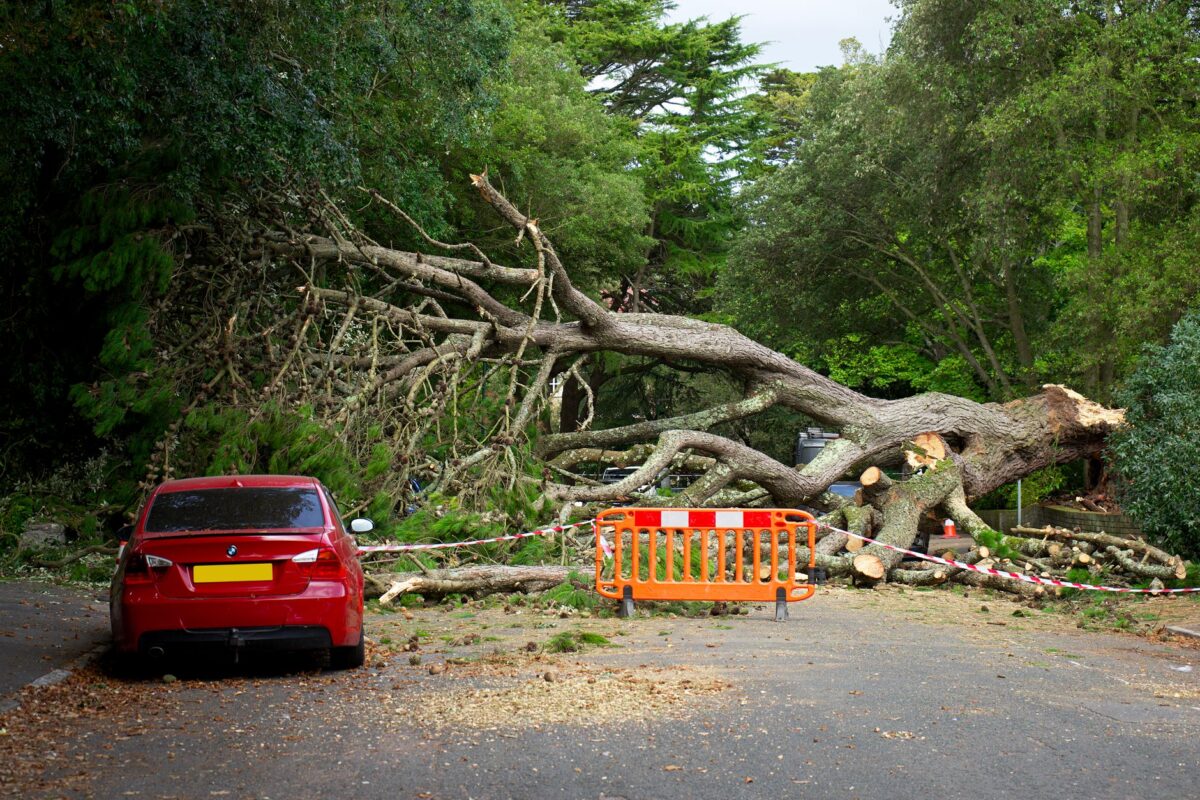
Other covered scenarios include engine fire, a falling tree limb crushing the block, theft-related damage, vandalism such as sugar or bleach in the tank, and rodents chewing wiring or hoses. Animal damage falls under comprehensive in nearly every state. A collision that shoves the radiator into the engine is covered under collision.
Deductibles still apply. Comprehensive deductibles typically run $250 to $1,000, and collision deductibles average $500. On a $6,500 engine job, a $500 deductible still leaves the insurer paying about $6,000. However, insurers will also compare repair cost to actual cash value. If repairs exceed roughly 70% to 80% of the car’s value, the vehicle is totaled instead of repaired.
Mechanical Breakdown Insurance and Extended Warranties Compared
If you want true engine failure insurance, you need mechanical breakdown insurance (MBI) or a vehicle service contract. MBI is sold by insurers and regulated as insurance by state departments. Extended warranties and service contracts are sold by dealers and third parties, and many are regulated differently.
MBI is typically cheaper. Industry averages put MBI near $100 per year, though pricing varies widely by carrier and vehicle. GEICO quotes often land near $13 to $30 per month, State Farm around $26 per month, and some AAA and Allstate programs run considerably higher. Third-party service contracts commonly cost $1,500 to $4,000 total, often financed into a car loan.
| Feature | Mechanical Breakdown Insurance | Extended Warranty / Service Contract |
|---|---|---|
| Typical cost | ~$100/year to ~$360/year | $1,500–$4,000 one time |
| Deductible | Often flat $250 per claim | $0–$500 per visit |
| Eligibility | Often under 15 months / 15,000 miles | Varies; older cars accepted |
| Max term | Up to 7 years / 100,000 miles | Varies by contract |
| Payment | Monthly with your premium | Lump sum or financed |
| Regulator | State insurance department | Often state AG or none |
Eligibility is the catch. GEICO requires the vehicle to be less than 15 months old with under 15,000 miles in most states, and you must be the first titleholder. Some states allow 36 months and 36,000 miles. Once enrolled, coverage can renew up to seven years or 100,000 miles.
Neither product is unlimited. Engine failure insurance through MBI excludes damage from misuse, racing, rust, intentional damage, and improper maintenance. Skipped oil changes are the most common denial reason. Keep every receipt.
What to Do Before and After an Engine Fails
Act before the failure, not after. You cannot buy engine failure insurance once the check engine light is on. Coverage must be in force before the loss, and waiting periods of 30 days or 1,000 miles are common on service contracts.
Start by checking your existing declarations page for comprehensive and collision. Then confirm whether your factory powertrain warranty is still active. Most automakers cover the powertrain for 5 years or 60,000 miles. Hyundai and Kia offer 10 years or 100,000 miles for original owners. That warranty is free and beats any paid plan.
📋 Get Free Insurance Guides
Free · No spam · Unsubscribe anytime
If the engine already failed, document everything. Photograph the scene, save the tow receipt, and get a written diagnosis naming the cause. Cause of loss decides the claim. “Hydrolock from flood water” is payable. “Bearing failure from oil starvation” is not. File promptly, since most policies require notice within a reasonable time.
If a claim is denied, request the denial in writing with the exact policy language cited. You can then file an appeal or a complaint with your state regulator through the NAIC consumer portal. If a third-party warranty company refuses to pay, complaints go to the FTC. The FTC has repeatedly warned about deceptive auto warranty telemarketing, so verify any company before paying.
Finally, run the math. If your car is worth $4,000 and an engine costs $5,500, replacement rarely makes sense. Compare the repair quote to the car’s actual cash value first.
Frequently Asked Questions
Does full coverage car insurance cover a blown engine?
No, not in most cases. Full coverage means liability plus comprehensive and collision. However, it will pay if a covered event such as a flood, fire, crash, or animal caused the damage.
Is mechanical breakdown insurance worth the money?
It often is for newer vehicles, since MBI averages around $100 to $360 per year against repair bills of $4,000 to $7,000. For example, one covered engine claim can pay for a decade of premiums. However, older high-mileage cars usually do not qualify.
Can I add engine failure insurance after my engine already fails?
No. Every form of engine failure insurance excludes pre-existing conditions and losses that occurred before the effective date. Typically, service contracts also impose a 30-day or 1,000-mile waiting period before claims are allowed.
Compare Insurance Rates
Ready to see if you could be paying less? Compare quotes from top insurers in your area. Getting multiple quotes is the most effective way to find a better rate.
(paid link)
Official Sources & Resources
For verified information on auto insurance regulations and consumer protection:
- NAIC (National Association of Insurance Commissioners): naic.org
- Insurance Information Institute: iii.org
- Federal Trade Commission — Auto Insurance: consumer.ftc.gov
- USA.gov — Car Insurance: usa.gov/car-insurance
Content last reviewed July 2026. If you notice any outdated information, please contact us.