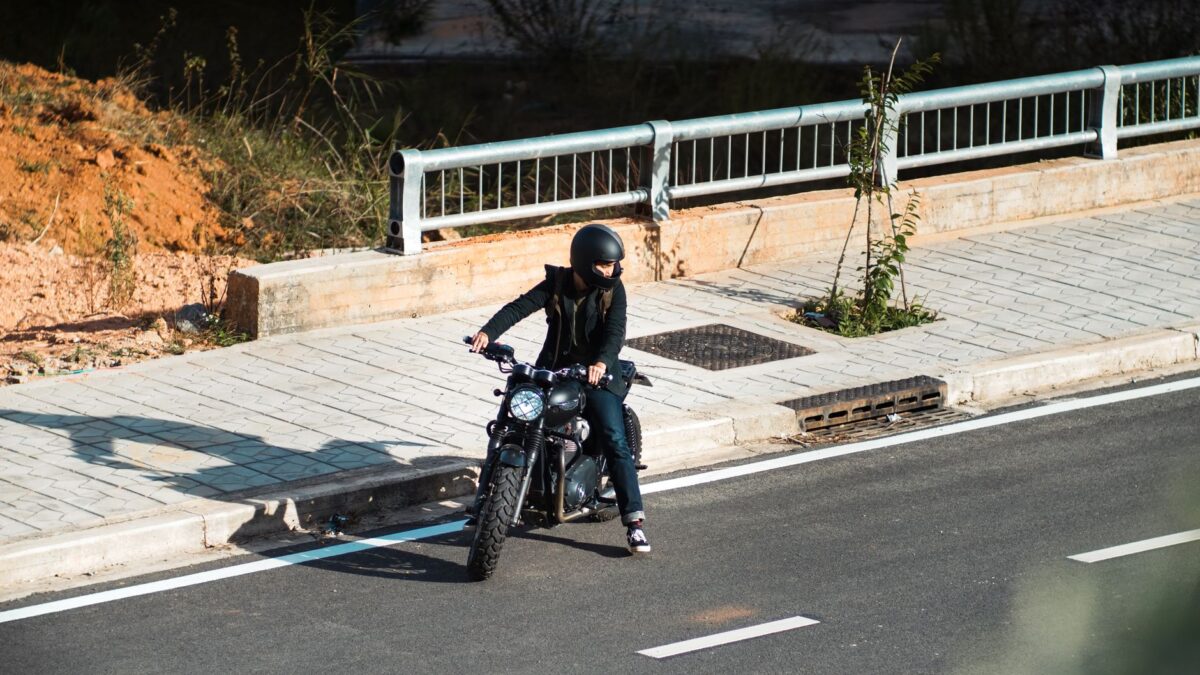
Motorcycle roadside assistance is a small add-on that pays for towing, jump-starts, fuel delivery and lockout help when your bike quits away from home. It sounds trivial until you are standing on a shoulder in riding gear with a dead battery and no cell signal. Bikes strand riders differently than cars do. There is no spare tire, no trunk to sit in, and no way to limp home on a flat. A 2026 local motorcycle tow runs $75 to $250, and long hauls bill $2 to $7 per mile on top of a hook-up fee. Against that, most riders pay under $20 a year for coverage. That math is why this add-on gets recommended so often.
What Motorcycle Roadside Assistance Actually Covers
The core benefit is a tow to the nearest qualified repair shop. Progressive tows within a 15-mile radius. Geico covers up to 20 miles. AAA’s motorcycle add-on goes to 35 miles, with unlimited distance on Plus and Premier tiers. However, the mileage cap is the single most important number in the plan. Anything past it comes out of your pocket at the tow operator’s normal rate.
Beyond towing, a typical plan includes battery service, flat-tire assistance, delivery of fuel or oil, lockout help, and winching within about 100 feet of a paved road. For example, Harley-Davidson Insurance covers battery failure, flat tires, lockout, and mechanical or electrical breakdown, then tows to the nearest shop using an operator with motorcycle handling experience. That last detail matters more than it sounds.
Some plans layer on trip interruption. Harley-Davidson’s version pays up to $500 per disablement when you break down more than 100 miles from home, including up to $45 a day for alternate transportation, $50 a day for meals, and $400 for prepaid reservation deposits. AAA offers a similar travel-interruption benefit past 100 miles. In most cases, trip interruption is a separate coverage line, not part of motorcycle roadside assistance itself.
What It Costs in 2026
Through an insurer, motorcycle roadside assistance is genuinely cheap. Geico prices it as low as $14 per year per vehicle. Progressive’s roadside line runs roughly $10 to $100 annually depending on vehicle and state. Most riders on a standard cruiser or sport bike land near the bottom of that band. Typically, adding it to an existing policy costs less than one tank of premium fuel.
Membership programs price differently. AAA charges about $35 a year for the motorcycle add-on, or roughly $30 for existing Plus and Premier members, but that sits on top of your base AAA dues. The American Motorcyclist Association bundles no-cost motorcycle roadside assistance for primary Family members, three-year members, and anyone on auto-renew. AMA’s Roadside Assistance Plus costs $50 a year and covers up to five registered vehicles, including cars, trucks, trailers and RVs.
What drives the price up? Bike value and displacement, your garaging ZIP code, and whether you bundle. Rural riders sometimes pay slightly more because tow density is thin. Rates and available add-ons vary by state, so check your state guide rather than assuming a national figure. As a result, two riders with identical bikes can see different quotes.
Who Needs Motorcycle Roadside Assistance
Touring riders benefit most. If you regularly ride 200 miles from home, a single unplanned tow can cost more than a decade of premiums. Long-distance riders should also weigh the mileage cap hard, because a 15-mile tow in rural Nevada may not reach any shop that services your brand. For example, a 90-mile tow at $4 per mile plus a $100 hook-up fee is roughly $460 out of pocket.
Riders on older bikes, high-mileage machines, or anything with a known charging-system quirk are the other clear group. Vintage bikes strand people. So do bikes stored all winter, which frequently develop battery problems in spring. Two-up riders have another reason: a breakdown leaves two people stranded, and most tow trucks cannot carry a passenger plus the bike.
Some riders can reasonably skip it. If you already carry AAA Plus with a motorcycle add-on, or your credit card or manufacturer program already includes roadside coverage, buying it again through your insurer is duplicate spend. New bikes often ship with a factory program for the first year or two. Check what you have before adding motorcycle roadside assistance a second time.
Common Exclusions and Mistakes
The biggest surprise is parts and labor. Motorcycle roadside assistance pays to get you to a shop. It does not pay for the repair. If your tire is destroyed rather than pluggable, the plan tows you in but you buy the tire. Similarly, most plans will not jump-start a motorcycle at all, because the small battery and tight electronics create damage risk. In those cases the provider tows instead, which quietly consumes your tow benefit.
Off-road recovery is the second gap. Winching is generally limited to roughly 100 feet from a maintained roadway. Dual-sport riders who go down a fire road are usually outside the plan entirely. Track days, racing events, and commercial-use motorcycles are excluded across nearly every carrier. Service frequency limits also apply: AMA allows one call per service type per seven days, so two flats in a week means one is on you.
📋 Get Free Insurance Guides
Free · No spam · Unsubscribe anytime
Two administrative mistakes cost riders money. First, calling a tow company directly and expecting reimbursement. Most insurers require you to dispatch through their app or hotline, or they deny the claim. Second, ignoring annual benefit caps. Harley-Davidson Insurance, for example, caps roadside expenses at $100 per calendar year. Anything above that is yours. Also confirm the operator will use a flatbed with soft straps, not a wheel-lift rig.
How to Get the Best Rate
Add it at policy inception or renewal rather than mid-term. Mid-term endorsements sometimes trigger a small processing fee and rarely prorate cleanly. However, if you are about to leave on a tour, add it immediately and eat the fee. Most carriers impose a waiting period of 24 to 72 hours before motorcycle roadside assistance becomes active, so buying it from the shoulder of a highway does not work.
Compare the insurer add-on against a membership plan on tow distance, not price alone. Fourteen dollars for a 20-mile tow is worse value than $50 for unlimited towing if you ride remote routes. Riders who own multiple bikes should look hard at AMA Roadside Assistance Plus, since $50 covering five registered vehicles beats paying a per-bike fee four times over.
Finally, stack the discounts you already qualify for. Multi-bike, bundling with home or auto, paid-in-full, and safety-course completion discounts typically shave enough off the total policy to absorb the roadside line. Motorcycle roadside assistance usually requires you to carry comprehensive and collision, as Geico does. Confirm that before you quote, because a liability-only policy may not be eligible at all.
Frequently Asked Questions
Will a tow truck damage my bike?
It can, if the operator sends the wrong equipment. Motorcycles should be loaded on a flatbed and secured with soft straps or a wheel chock, never towed by the frame or forks. When you call, state explicitly that the disabled vehicle is a motorcycle. Reputable programs like Harley-Davidson Insurance dispatch operators with motorcycle handling experience specifically to avoid this.
Does it cover me if I crash, or only breakdowns?
Roadside covers mechanical and electrical disablement. After a collision, the tow is generally handled under your collision or comprehensive claim instead, not the roadside line. That is usually better for you, since accident tows often exceed the roadside mileage cap. Trip interruption benefits, however, may apply to both breakdowns and covered comprehensive or collision losses.
Am I covered on a rented or borrowed motorcycle?
It depends on how the coverage is written. Insurer add-ons attach to the specific listed motorcycle on your policy, so a rented bike is not covered. Membership programs like AAA and AMA attach to you as the member, which typically follows you onto any qualifying motorcycle. Renters should confirm the rental company’s own roadside terms before departing.
Does using it raise my premium?
A roadside call is not an at-fault accident and does not carry the same surcharge weight. However, carriers do track frequency. Repeated calls in a single policy term can flag your account at renewal, and some insurers decline to renew the roadside endorsement specifically. In most cases, one or two calls a year has no measurable effect on your motorcycle premium.
Compare Motorcycle Insurance Rates
Rates for motorcycle insurance vary widely between carriers, and the specialists often beat the big
national names. Comparing several quotes is the single most reliable way to pay less.
(paid link)
Official Sources & Resources
For verified information relevant to riders:
- Motorcycle Safety Foundation (MSF): msf-usa.org
- NAIC (National Association of Insurance Commissioners): naic.org
- Insurance Information Institute: iii.org
- AM Best – Insurer Financial Strength: ambest.com
Content last reviewed July 2026. If you notice any outdated information, please contact us.