EV Fleet Incentives for Small Business Owners
fleet incentives

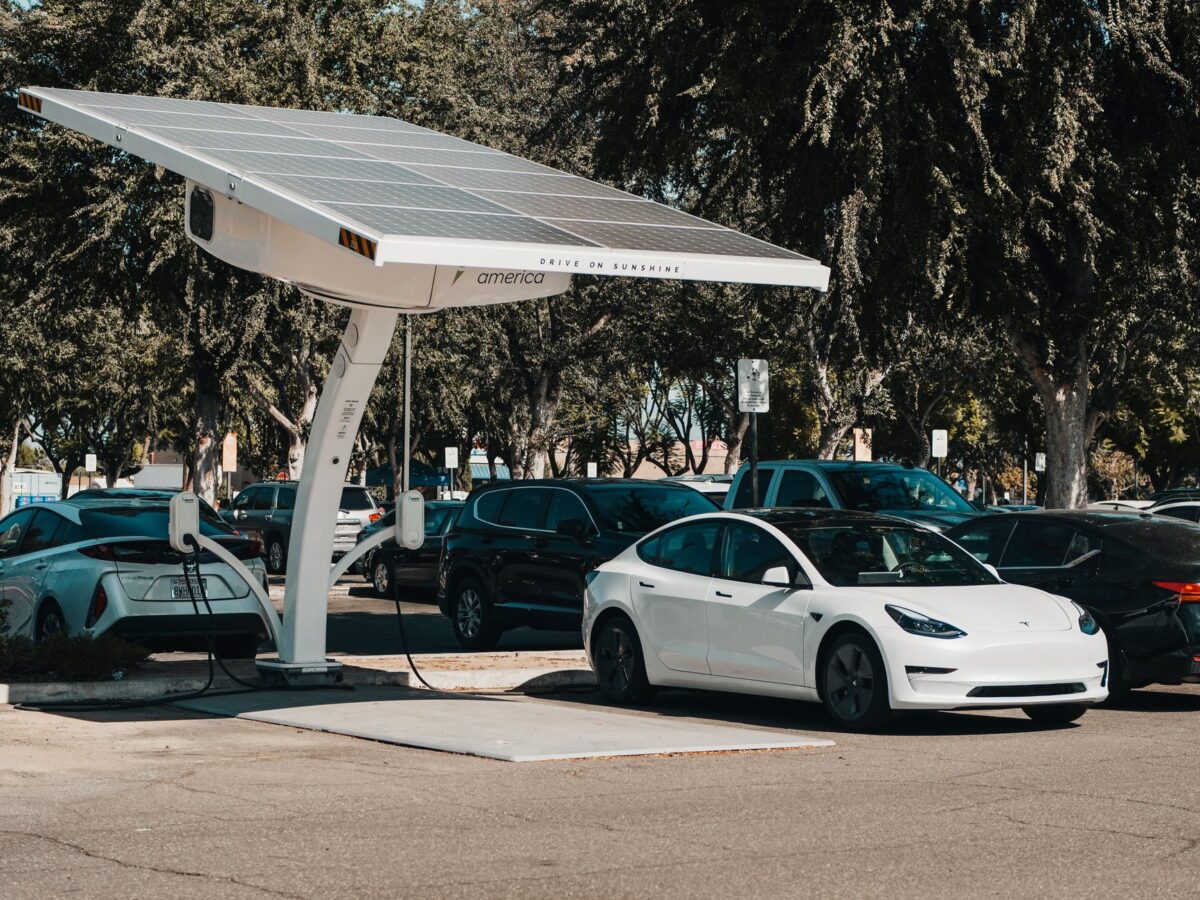
Fleet incentives are the vouchers, rebates, tax deductions, and utility programs that lower the cost of putting electric vehicles into a small business. They matter more in 2026 than they ever have, because the federal side of the ledger has largely collapsed. The Section 45W Commercial Clean Vehicle Credit, worth up to $7,500 for light-duty … Read more
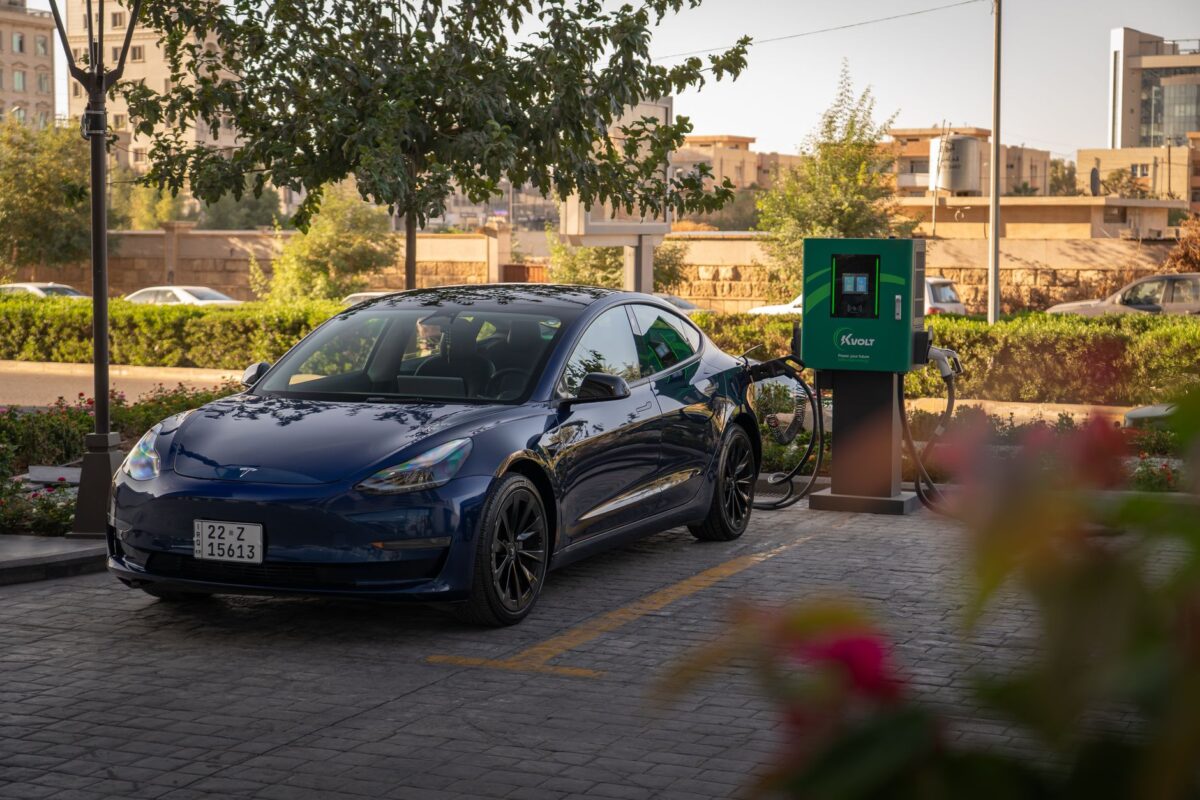
EV Cold Weather Range and Running Costs

ev cold weather

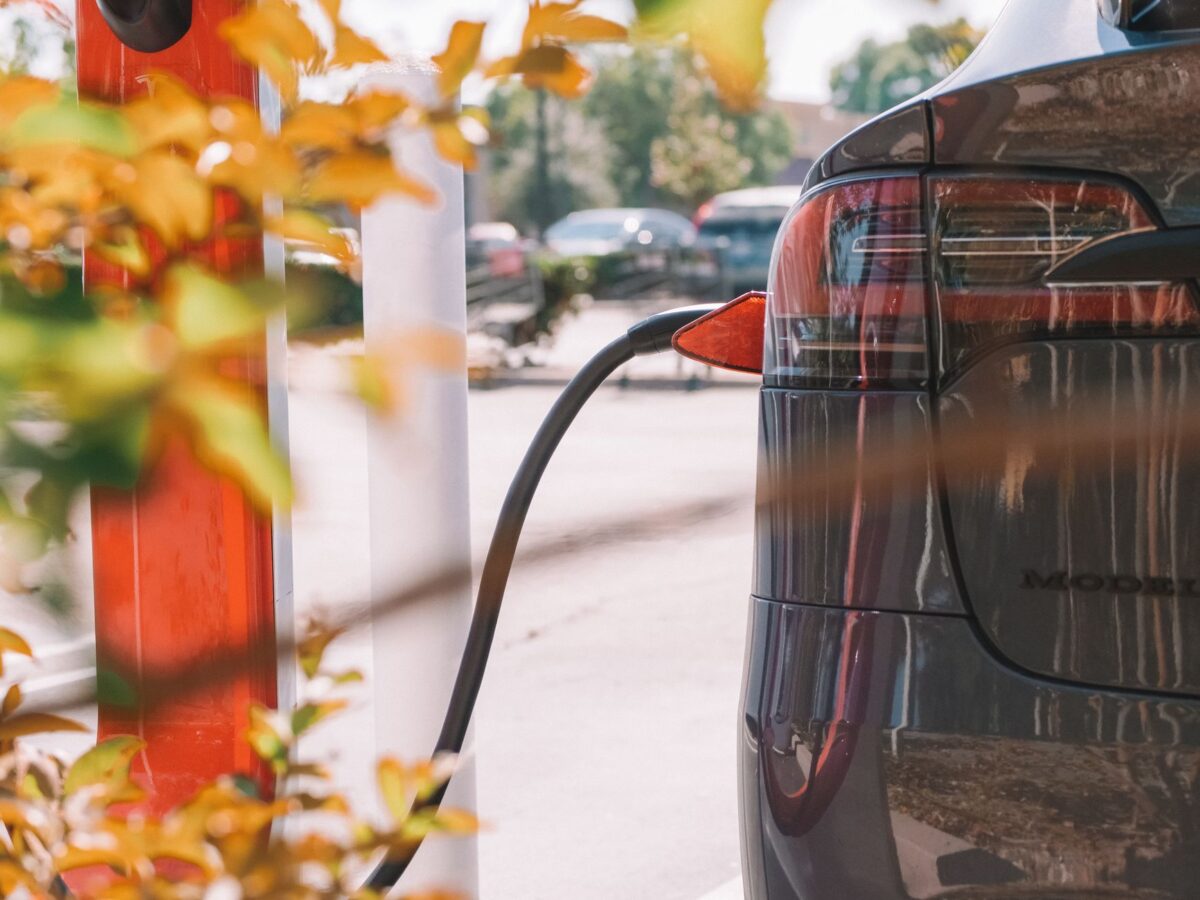
EV cold weather performance is the single biggest surprise new electric vehicle owners report in their first winter. Below freezing, an EV does not just feel slower to charge — it genuinely delivers fewer miles per kilowatt-hour. Recurrent’s 2025–26 winter study of more than 30,000 U.S. vehicles found the average EV retains about 78% of … Read more

EV Dealer Point of Sale Rebate: Instant Savings

point of sale

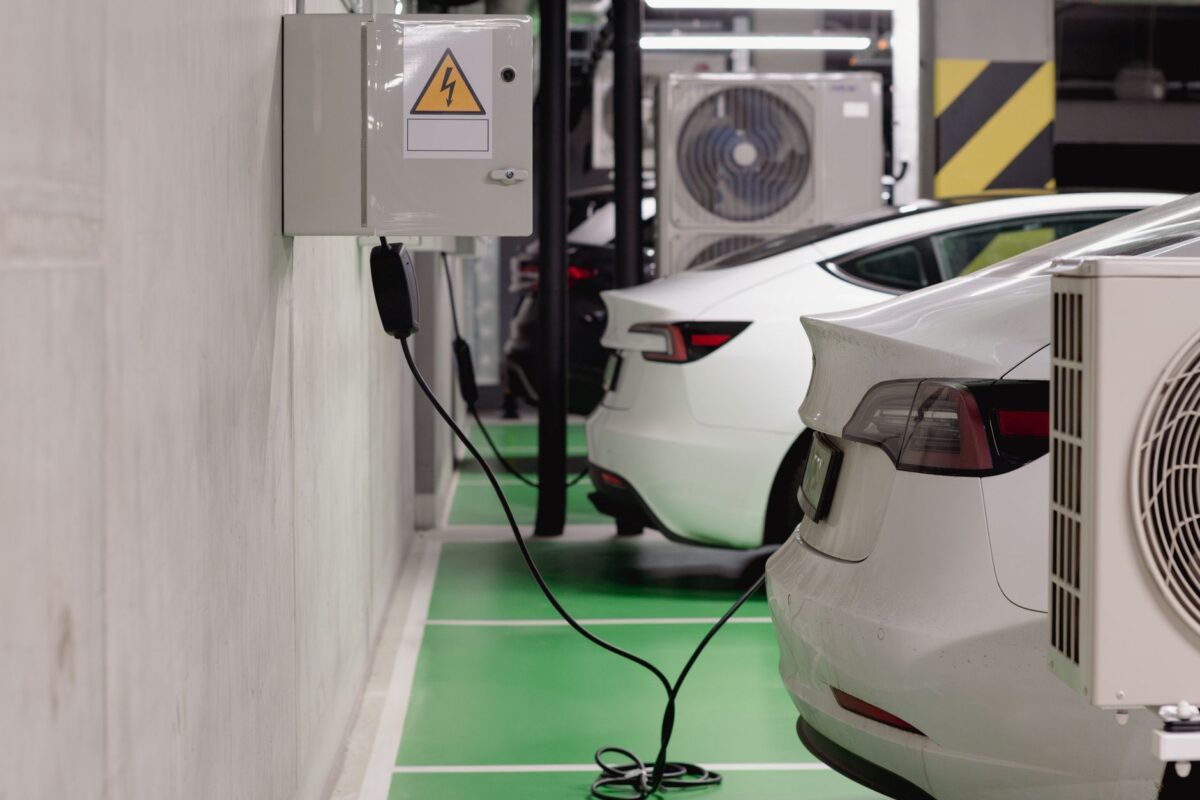
Point of sale is the moment an EV incentive stops being a tax refund and becomes cash off the sticker. From January 2024 through September 30, 2025, federal law let buyers transfer the $7,500 new clean vehicle credit — or $4,000 used credit — directly to a registered dealer. The dealer knocked it off the … Read more

EV Solar Charging: Pairing Panels With Your Car

solar charging

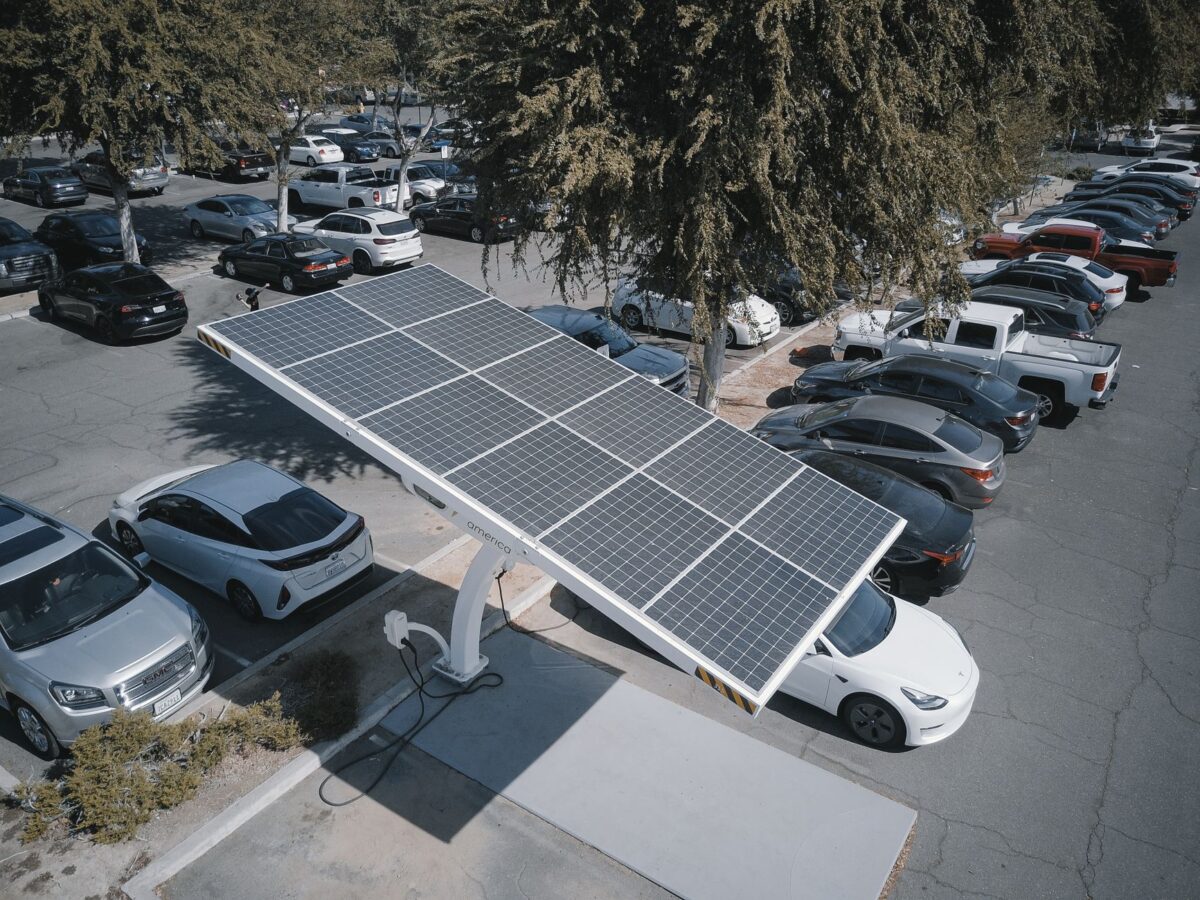
Solar charging means fueling your electric vehicle with electricity your own roof makes. It is not an insurance product or a carrier endorsement. It is an energy setup: panels, an inverter, often a battery, and a Level 2 charger that coordinates with all three. The appeal is straightforward. Home charging is already the cheapest way … Read more

EV Workplace Charging and Employer Programs

workplace charging

Workplace charging is an employer-funded benefit that lets you plug in your EV while you work. Most programs use Level 2 stations rated between 6.6 kW and 11.4 kW. An eight-hour shift on a 7 kW port adds roughly 40 to 55 kWh. For most drivers, that is 150 to 200 miles of range per … Read more

EV Depreciation and Resale Value Trends

ev depreciation

EV depreciation is the gap between what you paid for an electric vehicle and what it is worth today. It matters more in 2026 than at any point in the last decade. Most electric models still lose close to 60% of MSRP over five years. The all-vehicle average sits in the mid-40% range. That spread … Read more

EV Maintenance Savings Compared With Gas Cars

ev maintenance savings

EV maintenance savings are the reduced service and repair costs an electric vehicle owner sees compared with a similar gas car. This is not a coverage product you buy from an insurer. It is a real, measurable ownership advantage backed by federal data and large owner surveys. Consumer Reports puts lifetime repair and maintenance at … Read more

EV Battery Warranty Coverage and Length

battery warranty

Battery warranty coverage is the manufacturer promise that protects the single most expensive part of your electric vehicle. Federal rules require every automaker selling in the U.S. to warrant the traction battery for at least 8 years or 100,000 miles, whichever comes first. That coverage matters because an out-of-warranty pack replacement in 2026 runs roughly … Read more

EV Battery Replacement Cost: What to Budget

battery replacement cost

Battery replacement cost is the single biggest financial unknown in electric vehicle ownership. It is the price of pulling out a failed or degraded high-voltage traction pack and installing a new or remanufactured one. For most EV owners this expense never arrives, because federal law requires an 8-year/100,000-mile traction battery warranty on every EV sold … Read more

EV Charging Cost Compared With Gasoline

charging cost

charging cost is the number that decides whether an electric vehicle actually saves you money. It is simply what you pay in electricity to drive a mile, compared with what a gasoline driver pays at the pump. In 2026, that gap is still wide but narrower than the headlines suggest. The U.S. residential electricity average … Read more